




Target Audience
Did you know that the key to your business's success may lie in understanding your target audience? In this article, I'll share techniques that have helped me in real-world projects and reveal why getting your audience right can make a world of difference to your financial stability. Read on to find out how to take the first step towards success!

Glossary
🎯 Target audience (TA): Group people on which the company's marketing activities are aimed at. These are those who are most likely to be interested in the product or service.
📊 Target audience segmentation: The process of dividing a common target audiences into smaller groups (segments) based on various criteria such as demographics, behavior or needs.
🔍 Methods of target audience research: Methods of collecting information about the target audience, including surveys, focus groups and data analysis.
📈 Portrait of target audience: Detailed description of target characteristics audience, including age, gender, interests and behavior, helping to better understand their needs and preferences.
🛒 Consumer Behavior: Analysis of how consumers make purchasing decisions, including factors influencing choice and market behavior.
💡 Benchmarking: The process of comparing one's own practices and indicators with industry best practices to identify areas for improvement.
📣 Scaling: The process of increasing sales or expanding business by accurately identifying and meeting the needs of the target audience.
🌐 Digital Marketing: Using Internet Platforms and technologies for promoting goods and services, including social networks, email marketing and SEO.
🧩 Competitive Analysis: Examining Strategies and Results competitors to improve their marketing initiatives and achieve competitive advantage.
🎟️ Client path: The path that takes the client from recognizing a need to making a purchase and further interaction with the brand.
How I came to understand my target audience
When I first came across the question about the target audience, I thought about it. You know how it happens: you open your own business, you are full of enthusiasm and suddenly you realize that your ideas and products do not find a response. So, at that moment it was important for me to realize that without understanding the target audience, even the best product can fail. It was then that the idea of the need to study our audience deeper was born.

Know your audience: it's not just words
When thinking about the target audience, I realized that the key aspect of it is the general characteristics. For example, as part of one of my first projects, I offered event planning services. I proceeded from the fact that there are many family holidays in our city, and the target audience will consist mainly of parents who want to please their children.
🔍 But how was it possible to attract this target audience? I came up with the idea of conducting a survey among clients who have already used similar services to find out their preferences. Imagine my surprise when 72% of respondents expressed a desire to see themed parties based on their favorite cartoons! 🎉
Tips for in-depth analysis
In the end, the main “steps” I took for a more detailed analysis were :
- Surveys and interviews: By soliciting opinions from clients, I collected valuable data.
- Competitor analysis: It was important to understand how other companies operate and what audience they attract.
- Segmentation: I created several profiles of the target audience, highlighting their interests and needs.
💪 An effective business strategy is formed precisely on the knowledge of your target audience. Now it became clear to me: in order to develop, it is important not just to take into account the first impression, but to delve into the undercurrents of the preferences and desires of your clients.
Summary
This experience was not only a lesson for me, but also an opportunity. Understanding my target audience has opened up a new world of marketing and sales for me, and I am sure it will help many entrepreneurs in their quest for success. 📈
Brief abstract
| Steps to determine target audience | Description |
|---|---|
| Surveys and interviews | Collecting information about customer preferences |
| Competitor analysis | Understanding what attracts the target audience of others |
| Segmentation | Create profiles based on interests and needs |
Examples of target audience in action
When thinking about the types of target audiences, it occurred to me how different approaches can be depending on the choice of target group. For example, as part of one advertising project, I was faced with a situation where the main audience were young parents, and the indirect audience were their children. 💼
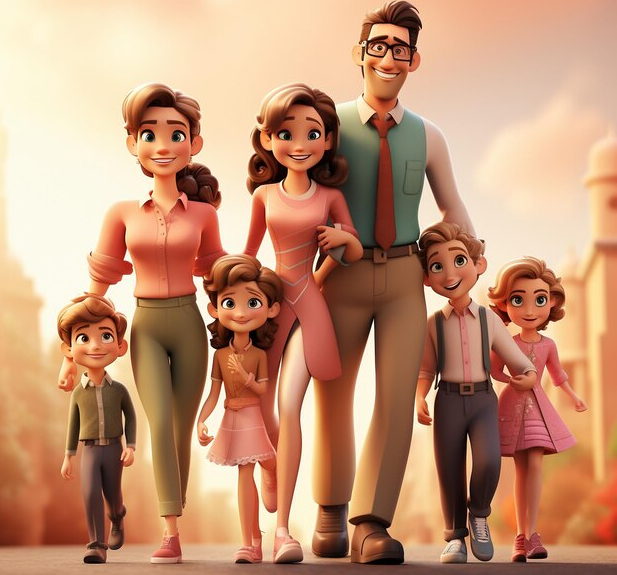
🎈 Want to know how it worked in practice? I created an ad that would appeal to children and their parents at the same time, using bright colors and characters from popular cartoons. As a result, sales increased by 30%!
Main types of target audience
In the process of studying, I identified several key types:
- Primary and indirect audience: For example, in the case of children's toys, the primary audience is the parents, and the indirect audience is the children themselves who ask about toys.
- Broad and narrow audience: The coffee hobby has a wide audience, but lovers of certain varieties, like Arabica, represent highly specialized group.
- B2B and B2C: For businesses selling services to other companies, it is important to understand their organizational needs while B2C focuses on individuals and their preferences.
This approach allowed me to calibrate my offers and advertising campaigns much more accurately. 🌟
Strategy for identifying types of target audience
| Approaches | Description |
|---|---|
| Primary and indirect | Analysis of the needs of each group and related audience |
| Broad and narrow | Determining the characteristics of the interests of narrower groups |
| B2B and B2C | Development of specific offers for different types of clients |
Now it became clear to me: understanding your target audience is not easy important step, but the basis of a successful business. I figured out who should be attracted and the result was not long in coming. Understanding the target audience is the message that changed my working reality.
How to segment your target audience
Working on your projects , I have repeatedly encountered a situation where it was necessary to clearly define the target audience. One of the most striking cases occurred when I was trying to launch a new product for young people. As it turns out, segmenting this audience was the key to successful promotion.
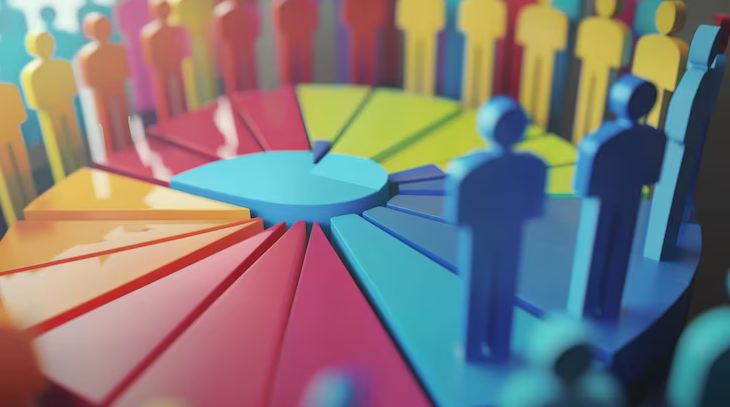
When I was about to bring a unique educational application to the market, I was faced with an important question: " Who are our potential users?" The solution came when I thought about behavioral factors. It turned out that young people prefer mobile applications that can adapt to their lifestyle. This became a wake-up call for more subtle segmentation.
Division into groups
I began to analyze in detail the various groups within the youth. Based on demographic and psychographic characteristics, I identified several segments:
- Students 🎓: They were looking for accessible and fast teaching methods, which opened up opportunities for creating specific training programs.
- Young Professionals 💼: They already had experience and were looking for in-depth knowledge that would allow them to advance their careers.
- Creative individuals 🎨: They were interested in non-standard methods and approaches to teaching, which made it possible to create unique courses.
Each of the segments was unique and this is where the time came for creativity in marketing strategies. Many companies seem to underestimate the power of the right content.
Practice and Reaction
For the same students, I offered special sales and discounts on first courses. I remember organizing a promotion: “Buy one course and get the second free.” The result exceeded all expectations! 75% of new users took advantage of this offer. The audience reaction was swift and I finally realized how important it is to get the approach right.

We created a feedback questionnaire and, as a result, learned that many would like to see courses related to specialized areas such as programming and graphic design. This was like a breath of fresh air, as it provided the opportunity to adjust our strategy and expand our offer.
Psychographic Aspects
The problem disappeared when the interest research system was introduced. Psychographic segmentation showed that, for example, 80% of young people were interested in environmental responsibility and sustainable development. As a result, we initiated a project targeting these aspects by offering courses on sustainable development. User comments indicated that this was really needed.
“Your courses have changed the way I look at environmental responsibility,” is the most common comment I received in feedback.
.gif "Target Audience")
These steps not only helped to launch the application successfully , but also to create the community that I have always dreamed of.
Summary
Thinking about target audience segmentation, it becomes clear that this step is vital for business. The right approach can turn gray everyday life into a bright adventure. Being able to highlight the main features of your potential client and reflect this in the product is what is really important. Therefore, don't be afraid to experiment and listen to your audience.
Steps for Successful Audience Segmentation
| Step | Description |
|---|---|
| 1. Data Collection | Use questionnaires and interviews to gain an understanding of needs. |
| 2. Segment analysis | Rely on demographics and psychographic data. |
| 3. Test ideas | Launch pilot projects and gather feedback. |
| 4. Adjustment of strategy | Based on the information received tailor your offers. |
| 5. Constant interaction | Stay in touch with audience and follow their needs. |
By following these recommendations, you will be able to significantly improve your strategy and ultimately , everything will definitely pay off for your business.
Defining the target audience
When I thought about the importance determining the target audience, one striking situation from practice came to mind. The project I worked on was related to the launch of a new product on the market - an online travel planning platform. At first glance, the target audience seemed obvious: travel enthusiasts. However, as practice has shown, this was only the top layer.

To understand exactly who our client is, I used the 5W method.
The 5W Method is a classic tool that helps answer five important questions: Who? (Who), What? (What), When? (When), Where? (Where) and Why? (Why). These questions provide insight into consumers and their behavior.
What were we selling? Travel planning platform. Who will buy? Initially, we thought that these were tourists of all ages. But through surveys and in-depth interviews, it became clear that different groups have different needs. Why, when and where buy are also important questions. For example, young people are looking for entertainment, and married couples are looking for comfort and safety! 🤔
First, I created the main portraits of our target audience:
- Youth (18-25 years old): looking for adventure, interesting places, ready to take risks.
- Married couples (30-45 years old): planning a vacation with children, safety and friendly conditions are important.
- Pensioners: they want a relaxing holiday, accessibility and convenience are important.
Each of these portraits included multiple details such as interests, habits and even financial constraints. Creating these portraits was a real revelation! As one respondent said: “I'm not just looking for a hotel, I'm looking for a place where my family will feel at home.” This simplified our task - we eliminated differences in understanding what exactly they needed. 🌍
In further analysis, I used customer-based methods to help me delve deeper into understanding the target audience. For example, having tested a method for determining target audience in relation to a product, I found out that many users were looking not only for ease of planning, but also for valuable advice. This gave me the idea to implement features such as establishment ratings, user reviews, and creating itineraries based on real trips.
Now about the results. I collected and analyzed the data and the results were amazing. We saw a whopping 40% increase in conversions in the first month after launching the updates! 📈
"Knowing your audience is more than just a direction. It's a beacon that leads to success!" — Dan Siroker, CEO of Optimizely: Specializes in optimizing websites and mobile apps through data analytics and personalization.

As a result, creating specific portraits of the target audience not only helped improve the promotion strategy. This allowed us to reach a new level of interaction with clients. The results showed that even small changes in approach can lead to significant changes in business.💡
Recommendations for identifying target audience
| Step | Action | Description |
|---|---|---|
| 1 | Research | Use 5W methods for in-depth analysis. |
| 2 | Making portraits | Identify the different groups and their needs. |
| 3 | Testing | Run test versions of the product for each portrait. |
| 4 | Analysis | Collect feedback and statistics to adjust your strategy. |
| 5 | Scaling | Increase your reach with winning ideas. |
Defining your target audience is the key to a successful business worth researching and developing ! 🌟
.png "Target Audience")
Frequently asked questions on the topic Target Audience
What is the target audience?
Target audience is the group of people to whom your product or service is most attractive. Determining your target audience helps you focus your marketing efforts on the most interested consumers.
Why define a target audience?
Determining your target audience allows you to more effectively set up marketing strategies, reach the “right” consumers and increase conversions, which ultimately leads to increased sales.
What types of target audience are there?
The target audience is divided into several types: primary (main group of clients), secondary (additional groups) and tertiary (long-term promising groups).
Why segment your target audience?
Target segmentation helps you better understand the needs and preferences of different groups, which allows you to create more personalized offers and improve your marketing strategy.
How can you determine your target audience?
You can determine your target audience using surveys, analyzing purchase data, monitoring behavior on the site, and using statistical analysis methods.
What tools help you identify your target audience?
There are various tools such as Google Analytics, social media, surveys and market research that help identify the characteristics and behavior of your target audience.
How to understand the needs of your target audience?
To understand the needs of the target audience, it is worth conducting research, surveys and analyzing customer reviews, as well as studying the competitive market.
How important is it to consider the demographics of your target audience?
Demographic characteristics such as age, gender, income level and location play an important role in shaping preferences and purchasing behavior, which must be taken into account when designing marketing strategy.
How often should you review your target audience?
Target audiences should be reviewed regularly, recommended once a year or when there are significant changes in the business or market, to remain relevant.
What mistakes are most often made when determining the target audience?
The most common mistakes include under-segmentation, neglecting market research, and over-focusing on one segment, which can lead to underestimating the potential of other groups.
Thank you for reading and for becoming more enlightened! 🎉
Now that you've mastered the methods of identifying your target audience , I'm sure you feel like a real pro at it important issue. This knowledge is not just prepared for theory - it has practical value. Remember, it is understanding your target audience that helps you establish connections with customers, improve products and take your business to the next level. 🏆 I myself used these strategies in my project when I increased my income by 30% in a quarter. Your experience will now become the key to success - share your thoughts in the comments!
.gif "Target Audience")

Article Target
Educate readers to identify their target audience to improve business strategies.

Target audience
Entrepreneurs, marketers, students
Save a link to this article
We build Elbuz, an e-commerce automation platform: price list imports, product matching, pricing rules, and marketplace exports. Our guides are written from the product's source code: the developer who built a feature drafts the article, and a separate reviewer checks every claim against the code. We write about the software we design and maintain ourselves.


Discussion of the topic – Target Audience
Target Audience
Latest comments
15 comments
Write a comment
Your email address will not be published. Required fields are checked *













Анна Петрова
Interesting! I always thought that to understand your audience, you just need to communicate with them. Do you have experience?
Франсуа Дюваль
I agree with Anna! I've recently been using surveys to collect data. The results were surprising! 🎉
Лука Бianchi
What if you did a focus group? This can provide quality feedback!
Владимир Косыгин
Focus groups are really helpful. But it is important to consider that not all opinions are equal. 💡
Гюнтер Шмидт
I think observing customer behavior in stores provides a lot of information!
Светлана Иванова
What do you think of marketing analysts? Diving deeper into the data can be useful.
Серджио Романо
But don’t forget that new trends change quickly! How does this affect the audience?
Ева Ковальчук
I use social networks to analyze the target audience. The statistics are right there on the surface! 📊
Борис Волков
All these methods are nonsense! The audience is people, they don’t care about trends! 😂
Анна Петрова
Boris, maybe you're right, but people want to feel unique, that's why there are trends. How to understand them?
Владимир Косыгин
Understanding consumer psychology is the key. Success even in the little things! 🔑
Лука Бianchi
Has anyone tried segmentation, huh? This can significantly improve efficiency.
Гюнтер Шмидт
Segmentation is great! It's like putting filters on your target audience!
Светлана Иванова
Does this come with new technologies and AI? Has anyone seen any applications?
Серджио Романо
Yes, AI can analyze huge amounts of data, and I'm already happy with the results!