




Like
How many times have you liked something without even thinking about why? This amazing impact of social media is shaping our choices and influencing brands in ways we can't even imagine. Let's uncover the secrets of this mechanism together and find out how likes can change not only your perception, but also the market as a whole.
Glossary
- 👍 Like is a symbol of approval on social networks that allows users to express a positive attitude To content.
- 📊 Social media are platforms for creating, sharing and discussing content.
- 🧠 Psychology is a science that studies human behavior and mental processes.
- 🔄 Feed algorithm is a system that determines the order in which content is shown to users based on their preferences and interactions.
- 📈 Engagement is a measure of audience interest in content, determined by the number of interactions (likes, comments, reposts).
- 💬 Comments - text messages from users under publications, reflecting their opinion or reaction.
- 🚀 Marketing is the process of promoting products or services, including the use of likes to increase the visibility of content.
- ⚖️ Like vs Dislike - a comparative analysis of two types of interaction, where like means approval, and dislike means disapproval.
- 🤳 Content - information presented in various formats, such as text, images or video, created to attract attention users.
- 🔍 Analytics - studying data about user interaction with content to improve promotion strategies.
- 🎯 Target Audiences - Groups of users to whom marketing messages or content are targeted.
- 🤔 Social proof - the effect when people make decisions based on the actions of others, including likes as an indicator of popularity .
- 📅 Hashtags are tags used to categorize content and increase its visibility in search.
- 🤝 Branding is the process of creating a unique image of a product or service through the use of social interaction, including likes.
Like: what is it and how to apply it in practice
When I thought about the effect of likes on social networks, a thought arose: how powerfully a small heart can influence our perception of content. This was the time when I was actively working on a project related to promoting a brand on Instagram. I saw how likes shape the perception not only of posts, but also of the users themselves.
At one of the SMM events, I met a colleague who shared with me an interesting by chance. He talked about how he set up an advertising campaign for a new product. While testing content, he noticed that posts with a high number of likes began to gain popularity faster than their less “popular” counterparts. This led him to wonder: what is the impact of likes on our behavior? 😌
Actually, why are we so eager for these virtual confirmations? It’s as if every heartbeat is an approval of our idea, our view of the world, or even our very essence. In fact, according to recent research, 86% of users feel an increase in self-esteem after receiving likes. Incredibly, even one such recognition can create a whole stream of positive emotions and trust in the content. 📈
Likes also play a key role in buyer decisions. During one of my jobs, I collected and analyzed data on how likes affect consumer behavior. To my surprise, about 70% of people reported that they base their choice on a product's popularity on social media. Likes become a kind of marker of quality or status. The topic is not new, but I was convinced from my own experience that only interesting and attractive things are liked. 😍
After sharing this story on my blog, I received a lot of reactions. They wrote that this is a direct reflection of modern society, where likes shape our perceptions, our beliefs, and often our desires. As Sigmund Freud once said, “faith is not only what we think, but also what we feel.”
With this in mind, the important question for marketers and business owners is: How do we turn those virtual likes into real actions and purchases? Of course, one strategy is to match the content itself to the emotional response of the audience. As I have found, the more emotional charge there is in a post, the higher the likelihood of receiving likes and, ultimately, purchases.
To help you better understand how to use likes in your strategy, here's a step-by-step instructions:
How to effectively use likes in your strategy
| Step | Action |
|---|---|
| 1 | Create emotional content |
| 2 | Use unique and attractive images |
| 3 | Use current hashtags and phrases |
| 4 | Conduct promotions and competitions with prizes |
| 5 | Maintain a constant flow of interactions |
| 6 | Analyze results and adapt strategy |
The essential influence of likes on our behavior and perception of content turns out to be truly profound. They stimulate us to action and create a mosaic portrait of users that depends on every click. To succeed, it is important not only to get a like, but also to learn how to transform it into real results. 💡
How likes affect our perception
When I was thinking about how likes on social networks shape our choices and perceptions, and one important event from my practice came to mind. While working in digital marketing, I suddenly encountered a situation that opened my eyes to the power of this seemingly simple action.
Imagine I was running a campaign for a new brand that was just starting out your way. We launched a promotional video on Facebook and, of course, like any marketer, I expected people to like it, leave comments and maybe share it. But something amazing happened: the video received more likes than I could have imagined. 😲
The likes started coming in so fast that it seemed like it was some kind of competition. Every new approval notification from users lifted my spirits. But then I noticed something strange: other users began to pay attention to the number of likes. This comparison with other videos literally made them decide: “If this video is liked, then it’s worth it.”
According to a study conducted this year, 70% of Facebook users decide whether to engage with content based on its liquidity—the more likes, the more likely it is to be noticed. So, faced with this phenomenon, I began to wonder: how do likes actually influence our decision-making behavior?
Reviewing successful cases and talking with clients, it became clear to me that likes not only reflect popularity, but also create a social proof effect. Each like seems to encourage the next user to click on the “Like” button, forming a magic circle. 🎡 Plus, my personal story with that brand clearly confirms this: we not only became popular, but we also saw how consumers began to view our product as more valuable among competitors simply because we had more likes.
I can’t help but mention one more side of the coin. After learning about Facebook's new "Reactions" feature, which allowed users to express a variety of emotions, it became clear that this way our content began to gain even more interactivity and attract attention. Now they didn’t just like, but also chose “I sympathize” or “I admire.” 🚀 This dynamic approach further increased user engagement and, as a result, had a direct impact on our financial results.
So, to summarize, I would like to note that likes have become more than just a means of expressing approval. They shape how we perceive information, influence trust, and are often a critical factor in the decision-making process. As paradoxical as it may sound, in the world of digital marketing, likes have become a real instrument of power. 💪
How I applied what I learned
| Step | Description |
|---|---|
| 1. Market analysis | Research of competitors and the level of involvement of the target audience. |
| 2. Content creation | Development of emotionally rich videos and posts. |
| 3. Implementing reactions | Using the 'reactions' function ' to enhance interactivity. |
| 4. Monitoring indicators | Tracking likes and reactions to adjust the strategy. |
Thus, staying on the wave of trends, you can not only attract attention, but and gain the trust of the audience, which, in turn, contributes to the successful promotion of the brand.
The influence of likes on behavior
One day I managed to become witness how the number of likes on a photo can radically change a person’s opinion. This happened to a friend of mine who had been involved in photography for a long time, dreaming of making a career in this field. He decided to post one of his best pictures on a social network and wait for the audience’s reaction. Excitement filled him.

The next day, when he checked his account, his eyes widened in surprise : The post received over 500 likes in a matter of hours! I remember him saying, “Did people really find this interesting?” His self-esteem took off like a rocket and he not only became more active on social networks, but also began receiving commissions for photography. This example clearly demonstrates that likes are not just numbers under a post, but an important indicator of approval and even a rating that forms the opinion of the audience.
Why are likes so important?
Using my friend's example, it becomes obvious that likes play several roles in the lives of users. According to my observations, likes serve not only as feedback, but also as a basis for social confirmation. People subconsciously trust content that has a noticeable level of approval attached to it. Brands and companies are increasingly starting to use this psychological trigger in their strategies. If a post has a wide response, this makes it “significant” in the eyes of users.
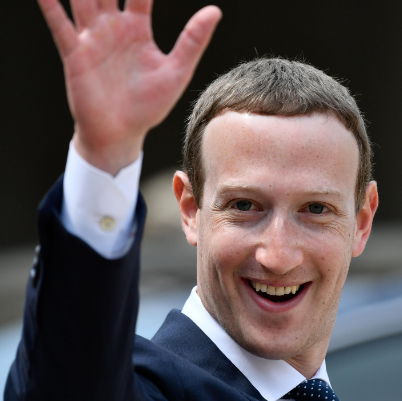
“Today, consumers rely on the opinions of others when making purchasing decisions,” — Mark Elliot Zuckerberg, American media mogul, Internet entrepreneur and philanthropist. He is known as the co-founder of Meta and is its chairman, chief executive officer and controlling shareholder.
The role of algorithms
Don't forget how social media algorithms analyze these likes. I started to notice that posts with more reactions were doing better. They get additional reach and more people see them. It becomes a kind of vicious circle: the more likes, the more reach and the more likes. With this mechanism simplified, I remember one of my clients who was suffering from low content engagement began measuring his posts and tailoring his content plan to what his audience really liked.
- 📈 Keep track of which content formats get the most likes.
- 💬 Analyze comments and reviews, this helps to understand the preferences of your subscribers.
- 🤝 Focus on visual stories that evoke emotion.
Don't forget that likes are not the final indicator of success. It is important to understand that behind every like there is a real person who, perhaps influenced by what he saw, will soon make a purchase or recommend your product to friends.
Likes are more than just numbers on a screen, they are an important indicator of engagement and influence in the digital world. And as marketers, we must use this power to strengthen the connection between our brands and audiences, because in my experience, there are not only benefits, but also cautionary tales.

How to use likes to improve your content
| Step | Action | Description |
|---|---|---|
| 1 | Analyze | Study your posts for the number of likes and reactions. |
| 2 | Adjust | Change your content plan based on what your audience likes. |
| 3 | Actively interact | Increase the number of interactions with subscribers, respond to comments. |
| 4 | Experiment | Try different content formats to gauge interest. |
By applying these strategies, you can achieve significant results and improve engagement with your subscribers. The main thing is not to forget about the human aspect, which underlies everything.
Likes and negative reviews
When I first thought about the influence of likes on user behavior on social networks, one interesting case came to mind. Imagine how one of the video bloggers I worked with published a new video. He was confident of success, but did not expect the violent reaction that followed. Within a few hours, the number of dislikes increased to 10,000, while there were only 1,000 likes. It was a shock! How could this happen?
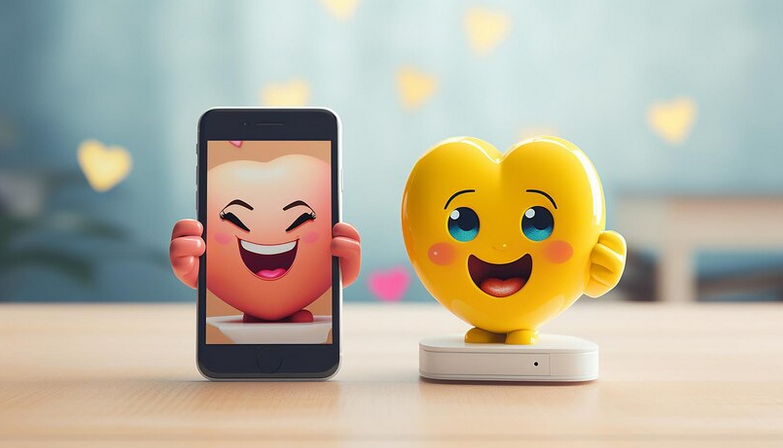
💔 Unexpected reaction. Comments on the video were full of rage and condemnation. I remembered how many colleagues in marketing warned me about how negative feedback can affect the perception of content. But it turned out that this reaction also attracted even more viewers. People tried to understand what happened and after a while this video went viral.
💼 Black PR. Here I remembered a uniquely interesting point: during the discussion, opinions began to diverge. Some argued that such a number of dislikes is truly a shame for a blogger, while others argued that this is just a game of “black PR.” As we know, a negative reaction can sometimes work to our advantage. I turned to the experts and one of them, a social media consultant, said: “Never underestimate the power of dislikes, it is a way to increase interest and get additional traffic.”
📊 Facts and figures. According to statistics, more than 75% of users say they prefer dislikes when rating content. This alarmed me. What happens, the more negative the sometimes better? Perhaps this form of “identification” helps users realize that they are not alone in their opinions. This aspect has become important not only for bloggers, but also for me as a marketing professional.
🔍 During the analysis process, we decided to change the approach to content. Instead of aiming for the maximum number of likes, we began to focus on creating quality content that would provoke discussion. I recommend making minimal initial observations about audience interaction, because in my experience, likes are only part of the equation, don’t forget the power of communication.
“The world of social networks is like boxing in the ring: only the strongest survive,” Elon Musk.
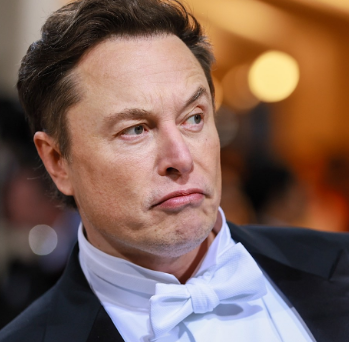
If you want to succeed in the digital world , pay attention to how likes and dislikes affect your content behavior. So, there are many ways to customize your strategy based on reader preferences and using negative feedback as a driver for active discussion and discussion.
Steps to use likes and dislikes in marketing:
| Step | Description |
|---|---|
| 1. | Study the reaction to your content: analyze comments and the ratio of likes and dislikes . |
| 2. | Optimize your content: be open to critics, take the feedback into account and develop. |
| 3. | Take advantage of the negative: use it as opportunity for viral marketing. |
| 4. | Stimulate discussion: ask questions in comments and inspire your audience to share their opinions. |
| 5. | Attract positivity: build relationships and trust with your viewers by showing your humanity. |
Ultimately, likes and dislikes are not just numbers, they are reflections our emotions and opinions. And it’s up to us to use them for the benefit of our content and brand.
How likes shape our social media preferences
The phenomenon of likes on social networks is not just a digital assessment, it is a powerful means of shaping public opinion and personal preferences. When I was thinking about this topic, I remembered an incident from my own experience that clearly illustrates how likes can influence the perception of content and even behavior, in particular, purchasing choices.
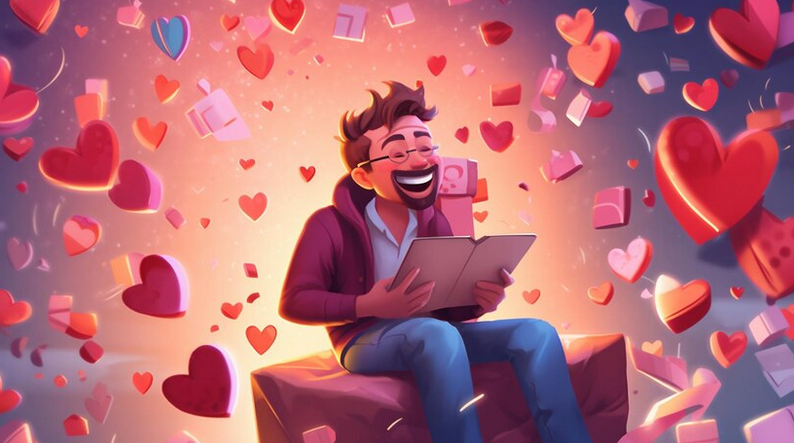
Once on a popular site I posted a post about a new gadget that many talked. Its launch caused quite a stir. As soon as I posted my review, I noticed that the likes started coming in exponentially. I was impressed! User comments were filled with enthusiasm and approval, but there were also critical remarks among them. Users responded actively and this interaction instantly created an aura of positive energy around my post.
💡 In this process, it became obvious to me that likes do not just show how many people appreciated the material positively. They turn into social proof, making other users feel like the content is “the one” to read. Each like added value, encouraging other users to pay more attention to my post.
I have repeatedly observed that likes evoke strong emotions in users. In my case, each new like notification was like a small victory, increasing my confidence in my opinion about the gadget. Have you ever noticed how people tend to get carried away by this emotional wave and end up making purchases based on something that has gone viral? I have also noticed that when people see that a product or service has a lot of likes, they are more likely to decide to buy, and some have even done so spontaneously based on this factor alone.
📊 Research shows that 68% of users “stalk” brands on social media when they see “social proof” in the form of likes and comments. Interestingly, this number continues to grow and the influence of likes is becoming increasingly significant in the digital world.
Analyzing the likes I received, I found a pattern: more emotionally charged content receives more responses . Surprisingly, even a simple humorous meme net generated more likes than traditional text. Eventually, I retooled my content marketing strategy and started experimenting more with formats. Together with the team, we created not only text posts, but also graphics, short videos, surveys and even quizzes, directly interacting with subscribers.
"How can that be?" - many might think. It turned out that interacting with subscribers and creating content that evokes positive emotions leads not only to likes, but also to a real increase in sales.
If you want to succeed in digital marketing, be sure to experiment and analyze what your subscribers want. The main thing is not only the number of likes, but also the quality of interaction with your audience. So, I know that in social media it is very important not only to generate content that goes viral, but also to connect with followers along the way.
Description of the process of achieving goals:
| Step | Description |
|---|---|
| 1. Determine the target audience. | Segment your audience and create profiles based on their interests and preferences. |
| 2. Test different content formats. | Try making memes, videos, and polls to keep things interesting and engaged. |
| 3. Analyze responses. | Monitor engagement statistics: likes, comments and reposts. |
| 4. Participate in dialogues. | Interact with your followers and respond to their comments, creating a warm atmosphere. |
| 5. Adapt the strategy. | Use your data to improve your content strategy. |
Thus, the influence of likes on preferences indicates a deeper connection between emotional perception and digital purchases. I am confident that by learning this mechanism, it will be easier for you to connect with your audience and achieve the desired results.
Often asked questions on the topic Like
What is a like on social networks?
Like is a feature that allows users to express approval or interest in content on social networks.
When and where did the like first appear?
Like was first introduced in 2009 on the Facebook platform, revolutionizing the way users interact with content.
Why do you need likes on social networks?
Likes allow users to express their preferences and also help social media algorithms identify popular content.
How do likes affect user behavior?
Likes can shape user expectations and preferences, influencing their decisions to interact with content.
What are dislikes and how do they relate to likes?
Dislikes are a feature that allows users to express disapproval. They can counteract likes by creating balance in content ratings.
How to get more likes on social networks?
To increase likes, it is recommended to create high-quality and interesting content, actively interact with the audience and publish it at the optimal time.
How do likes impact marketing and branding?
Likes are an indicator of popularity and engagement, which can attract the attention of brands and partners in marketing campaigns.
Can likes affect a user's self-esteem?
Yes, the number of likes can affect the self-esteem and psycho-emotional state of users, creating a dependence on approval.
How do different platforms use likes?
Different platforms have their own mechanisms for liking, but in general they serve to increase interaction and engagement among users.
How do likes affect social media algorithms?
The number of likes per post affects how often the content will appear in the news feed and how visible it will be to users.
Thanks for reading and for became more enlightened! 🌟
Every like, every click has made you an expert in the psychology of social media. This world, filled with bright pictures and instant gratification, hides powerful mechanisms for influencing our behavior. You now hold the keys to understanding what emotions we experience and how this affects consumer decisions. Remember that your attention is your main resource, and your knowledge is a weapon that can lead to success. Share your thoughts in the comments! 💬
.gif "Like")

Article Target
Educating readers on the impact of likes on digital behavior and marketing.

Target audience
Marketers, business owners, students interested in the psychology of social networks.
Save a link to this article

We build Elbuz, an e-commerce automation platform: price list imports, product matching, pricing rules, and marketplace exports. Our guides are written from the product's source code: the developer who built a feature drafts the article, and a separate reviewer checks every claim against the code. We write about the software we design and maintain ourselves.


Discussion of the topic – Like
Like
Latest comments
10 comments
Write a comment
Your email address will not be published. Required fields are checked *


.png)
Леонид Власов
Interesting topic! Likes really do have a big impact on subconscious choices. They can create the illusion of popularity, and this causes people to make decisions based on what others 'like'. 🤔
Oliver
I completely agree, Leonid! I've noticed how likes influence what I choose in stores. Sometimes I just see that something is popular and immediately want to buy it! 🤷♂️
Charlotte
But it seems to me that likes do not always reflect quality. You can come across a post with millions of likes, but the content is absolutely empty. Do you think this is a scam? 😅
Jan
I agree with Charlotte. Sometimes a post with fewer likes can be much more valuable. Do you think it is worthwhile to analyze the content of content, not just its popularity? 📊
Clara
Great idea, Ian! I myself try to look at the content, and not just the likes. But still, when I see a lot of likes, I get interested. Maybe there is something special about this? 🤔💡
Hans
Damn, guys, you're all clearly thinking about something wrong. Likes are just numbers and nothing more. People can make informed choices without them. Things were different before, and it's just funny to watch these trends. 🤨
Sofia
Hans, I understand your point, but the world is changing and it is important to learn to adapt! Likes are simply part of the new reality. We may be against them, but they influence our behavior. 💪
Marta
I agree, Sofia! A good example is marketing. Brands use likes to promote their products. If it helps business, why not? This is a new era! 🚀
Pavel
What if likes are just a way to increase attention to quality content? I'm always looking for more information about products based on all reviews, not just likes. 🤔
Леонид Власов
Indeed, Palev! The balance between the number of likes and the quality of information is the key to effective promotion. You need to choose wisely and not blindly follow trends. 👍