




Content Formats
Content is the magic key to your audience's heart. As I once noted, the influence of content formats can dramatically change the perception of a brand. Dive into a world of effective strategies and unexpected solutions that will help you gain attention and trust - you will be surprised! Do it!

Glossary
🎉 Content formats - various types of content, which can be used to convey information and interact with audiences, including text, images, video, audio, and interactive elements.
📊 SEO (Search Engine Optimization) - set methods and strategies aimed at increasing the visibility of web pages in organic search results.
📝 Text content - information presented in written format, including articles, blogs and social media posts.
🎨 Graphic content - visual elements such like images, infographics and illustrations used to enhance the perception of information.
🎥 Video content - entries submitted in the form of moving images that can inform, entertain or educate an audience.
🎧 Audio content - audio formats, such as podcasts and audio recordings, which allow users to receive information without visual input.
🔄 Interactive content - elements that engage user into active interaction, for example, surveys, quizzes and games.
📈 Audience engagement - level of user participation in interaction with content, which can be measured through likes, comments, shares and watch time.
🛠️ Content strategy - action plan covering creating, publishing and managing various content formats to achieve specific business goals.
📱 Multimedia content - a combination of various formats, such as text, images, video and audio, used to create a richer user experience.
🔍 Performance analysis - the process of evaluating the results of use different content formats based on metrics such as traffic, engagement and conversions.
How to properly use different content formats
Have you ever wondered why some content “takes off” while others get lost, like a needle in a haystack in the vast expanses of the Internet? I encountered this conundrum in practice when I was trying to establish my presence in the online world. I remember once planning the release of a video that, it seemed, was going to be a real hit. After spending three whole days creating it, I was inspired - but the result was completely unremarkable. Only 3 thousand views. On the same day, a thought arose in my head: what if we try to approach the matter from the other side?
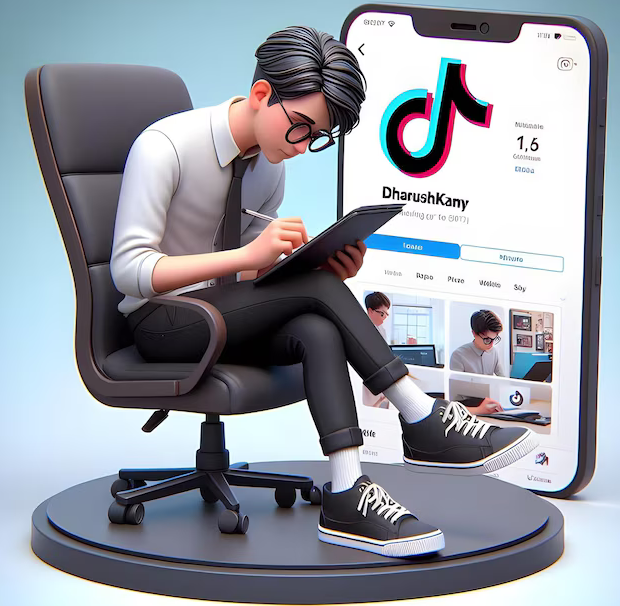
First of all, the idea of “just making videos” was worked out in detail. An idea was born - to convert this video into different formats. I started with short snippets for TikTok and YouTube Shorts. It worked! Each video collected 5 thousand views. At the same time, I converted the voice-over of the video into audio format and you won’t believe it - the audio lecture collected 2 thousand plays. As a result, putting all this together, I received even more content, turning it into text articles and posts with illustrations.
So, ultimately, the total audience of my content exceeded 32 thousand views! 🤯 That's how things are! This simple example was a good lesson, proving how much can be gained by using content formats correctly.
- 📺 Video
- 🎧 Audio
- 📄 Text
- 🖼️ Graphics
Each of these formats attracted a different audience rather than simply duplicating the same message. It was the variety of formats that made it possible to reach more people and everyone found something suitable for themselves. As one content marketing expert notes:
“Different formats help not only convey information, but also establish an emotional connection with the audience.” - Evgenia Voloshchuk, expert at Rozetka.

In addition, there is another important aspect : saving resources. I didn't have to re-develop the themes each time. The use of ready-made content in different formats allowed us to significantly reduce time costs. It seemed important to me that each new format is able to attract the attention of people who prefer one or another way of perceiving information.
- 📅 Lectures held
- 🎥 Video recordings
- 🎙️ Podcasts
- 📝 Compiled articles
After all, not all users are ready to watch long videos, while short analyzes or text articles will take only a few minutes. In fact, there is something both exciting and fascinating about this approach. This makes it possible to relax and know that you are creating not just for a report, but for real people who are ready to interact with the content.
Summary: Key Steps to Using Content Formats Effectively
| Step | Action | Description |
|---|---|---|
| 1 | Prepare Content | Create core content in one format (eg video). |
| 2 | Convert to audio format | Make an audio version and post it on podcast platforms. |
| 3 | Dividing into short fragments | Cut out interesting moments for short videos and posts. |
| 4 | Article writing | Rewrite the main content in text format and publish it on the website. |
| 5 | Share on social networks | Distribute all versions of content across different social networks for maximum reach. |
So, to sum it up, a closer look at different content formats and their use is completely definitely opens up a lot of opportunities for audience interaction. This is not just a speculative concept, but a real path to success!
Content formats: memes and their uniqueness in promotion
When it comes to content, who would have thought that memes, those funny and sometimes absurd images, could become the main tool for promoting a brand? On the one hand, it would seem that these are just funny pictures or videos. On the other hand, their viral nature allows them to capture the attention of millions of users in a matter of hours. In this context, it’s time to take a serious look at memes for the first time as an audience strategy.

I remember when I first started working in this area, I noticed how important it is to understand the trends and preferences of your target audience. At one point, they launched a campaign using fresh memes that were relevant to the youth audience. And then I remembered one interesting case: we published a post with a meme based on a popular game, which, as it turned out, played off our product very elegantly. The user response was amazing! The number of reposts and likes went through the roof. Many people spontaneously began to discuss our campaign, which significantly increased our reach and engagement.
However, it is necessary to remember that using memes is not a smooth ride. Misunderstanding of humor or outdated jokes can play a cruel joke on you. Thus, when a company’s audience differs from the age group for which the memes are generated, for example, employees of an educational project for children, this can lead to completely unexpected consequences. I remember how some of our employees failed to appreciate the subtle humor of modern meme content and this led to a funny situation where we ended up with misunderstandings instead of laughter.

However, brands that actively explore this niche are at an advantage position Research shows that 80% of users share memes on social media, meaning that if you create a bridge between your brand and popular culture, you have a chance to delight or surprise your audience. And herein lies the secret: a sense of humor, relevance and involvement form an indescribable connection with customers.
How to use memes for promotion?
- Know your audience: who are they, what do they watch and what do they talk about?
- Follow current trends and focus on relevance.
- Be creative: create unique memes that reflect your brand.
Text Content Formats
When I first dived into studying text formats of content, I was amazed by their diversity: articles, blogs, posts on social networks, e-books and even colorful checklists. Texts are not just a set of words, but a real system for involving the reader. Sometimes, when creating a post or article, it seemed that I was writing a poem that should be understandable, clear and impressive. While creating one of the projects for a client, we decided to experiment with a new format - Twitter tweets, limiting the characters to 140 characters.
Here's one funny incident that I remember: we posted a tweet that was instantly perceived as more than just a message. In response, we received a lot of comments and discussions. People not only liked, but also reposted, thereby instantly increasing their reach. This was a great example of how well-aimed text can not only talk about a product, but also create a real wave of discussion.
- 👍 Use simple and bright headlines.
- 💡 Tell stories related to your topic.
- 📅 Post regularly to keep things interesting.
Graphic Content Formats
When graphics became an integral part of my workflow, I was surprised How easy it is to draw attention to information using visual elements. Photographs, illustrations, infographics are like magnets that attract the eye. While working on one of the projects, we decided to use GIFs and motion designs and it became a real hit.
Motion design, it seemed to me, was a real discovery. We once created a short promotional video introducing a new product in a dynamic manner. The response was simply explosive! When visual elements enhance text, they help the reader better understand and remember information.
- 📷 Use high-quality images to stimulate interest.
- 🎥 Experiment with animation for greater engagement.
- 📊 Infographics help structure complex ideas.
Video Content Formats
If you've ever wondered how powerful video content is in marketing, then let me share what I learned along the way. Video has the ability to not only convey information, but also evoke emotions. After all, you can see and hear people, and this creates trust.
.gif "Content Formats")
When recording interviews with experts, the effect was noticeable: when clients were shown how to The way our employees actually work and the way they approach every issue has increased trust in the brand. I also remember when we did a video review of a new product and one of the viewers wrote that it influenced his purchasing decision. Stories like this show the power of video.
- 🎬 Record reviews to show your products in action.
- 📹 Create lively interviews with famous people.
- ⏰ Work with live broadcasts to strengthen your connection with your audience.
Audio Content Formats
As I seriously delved into the world of audio formats, I realized that podcasts are making a significant difference rules of the game. They can be listened to anytime and anywhere, making them truly universal content. When I first started my own podcast, I thought it would be more difficult than it actually was.
I remember how in one of the episodes they discussed an important topic - interaction with customers. We invited various experts and the feedback was unsurpassed. The listeners really appreciated that this was an almost open conversation and many began to ask questions. The answers to these questions subsequently became the basis of new podcasts.
- 🎧 Create top-rated podcasts with interestingly designed topics.
- 🗨️ Invite experts from your industry to create an open dialogue.
- 📈 Use editorial rulers to organize your content.

Interactive Content Formats
Once interactive content became part of my arsenal, I saw how much it could spice up the interaction with my audience. Surveys, tests and quizzes are not just entertainment, they are an opportunity to get to know your audience better. One day we launched a survey on user preferences and it was a real discovery.
Users actively participated, shared their impressions and discussed the results. Not only did this increase engagement, but it also gave us valuable insight into audience preferences. And this is what this led to: the increase in subscribers on our website was more than 30%, which showed the high effectiveness of interactive content.
- 📊 Conduct surveys and tests to get feedback.
- 🕹️ Create simple games that can attract users.
- 🔄 Listen to your audience and apply the lessons learned in the future.
Thus, content formats can be varied and multifaceted, with each offering unique opportunities to engage with your audience.
How to choose a content format
When I thought about Many questions arose in my head about which content format to choose for my project. How to understand what exactly is suitable for a specific audience? How can you ensure that every message attracts attention and arouses interest? This question became a kind of background for me, on which various stories, observations and personal experiences were superimposed.

As I've worked with different content formats, I've noticed that understanding is key the audience itself. For example, there have been times when I have created long, detailed articles for professionals who are passionate about a particular topic. As it turned out, the format was well received because audiences were willing to dive into the details and spend time reading. 🎓 It was a real godsend because I received feedback that confirmed that in-depth analysis was truly appreciated.
Compare this with the way we conduct conversations in instant messengers. Long monologues are not relevant there - people prefer short, compactly formatted messages. When I was experimenting with content on Telegram, I noticed that long posts did not generate enough interest. Users were simply not ready for serious reading, so it was necessary to respond briefly and quickly to messages. 📨
One of the striking examples that stuck out to me was the appeal to the video content format. I decided to use short vertical videos to draw attention to the launch campaign. “Why do you need this?” my colleagues constantly asked. However, the results showed the opposite: such videos attracted subscribers much faster and increased engagement. It was amazing! 📈 It is important to understand that each platform has its own preferences - and taking them into account, you can achieve greater success.
Some content marketing experts I spoke with emphasized that defining a goal is of utmost importance. A marketer I know once said: “Think not about what you want to communicate, but about how this information will help your audience.” In this vein, I have found particular power in personalized messages. 📲 When my goal was to make a quick sale or increase activity, reaching out to each client directly had a tangible positive effect.
Thus, based on my own experience, I came to important conclusions:
- Know your audience: Understanding the age and professional characteristics of your target group can significantly increase engagement rates.
- Format selection: Test different formats - text, video, podcasts. Each of them has its pros and cons depending on the platform.
- Defining Your Purpose: Clearly articulating your purpose will help you determine what content will be most effective.
These steps were fundamental to achieving goals in my projects. Share your stories and opinions on choosing a content format, it will be interesting and useful! 🌟
A quick overview of the steps to select a content format:
| Step | Description |
|---|---|
| Audience Research | Determine the age, interests and preferences of your target group. |
| Testing formats | Experiment with text, video, podcasts and graphics. |
| Defining your goal | Clearly state what you want achieve through content. |
This approach allows not only to attract attention, but also to retain it, ensuring interaction with your audience!

Often asked questions on the topic: Content formats
1. What are content formats?
Content formats are different ways of presenting information, including text, images, video, and audio. Each format has its own unique features and is designed to achieve different marketing goals.
2. Why use different content formats?
Using different content formats allows you to reach a wider audience, improve engagement and adapt to consumer preferences, as well as increase the effectiveness of communication with customers.
3. What content formats are there?
There are text, image, video, audio and interactive content formats, each suitable for different purposes and audiences.
4. What are the benefits of text content?
Text content explains information in detail, is easily indexed by search engines, and can be quickly created and updated.
5. What are the disadvantages of graphic content?
Graphic content, such as images and infographics, can be less informative than text and may not always be indexed well by search engines.
6. How does video influence audience engagement?
Video can significantly increase engagement as visual and audio-visual content is often more appealing to users, helping to capture their attention.
7. What are the benefits of audio content?
Audio content, such as podcasts, allows users to receive information while performing other tasks, making it convenient and accessible.
8. What are examples of interactive content?
Examples of interactive content include polls, quizzes, games and calculators that engage users and increase brand engagement.
9. How to choose a content format for your audience?
When choosing a content format, you should consider the preferences of your target audience, the type of information you want to present, and your content marketing goals.
10. How to measure the effectiveness of different content formats?
Performance can be measured using analytics by tracking engagement metrics such as watch time, clicks, likes and comments, as well as conversions and target response rates audience.
Thank you for becoming more experienced! 🙌
I'm sure you're already a master at content marketing! By using the formats you've learned, you'll create engaging, effective content that will attract and retain your customers. Every step on your path will now be easier thanks to this knowledge. Let your brand shine using not only texts, but also videos , infographics and podcasts! You now know how to interact with your audience on a new level. Share your thoughts in the comments! 💬
Sincerely,
Vladimir Kosygin
.gif "Content Formats")

Article Target
Educating readers about the variety of content formats and how to use them

Target audience
Marketers, content managers, bloggers, business owners
Save a link to this article
We build Elbuz, an e-commerce automation platform: price list imports, product matching, pricing rules, and marketplace exports. Our guides are written from the product's source code: the developer who built a feature drafts the article, and a separate reviewer checks every claim against the code. We write about the software we design and maintain ourselves.


Discussion of the topic – Content Formats
Content Formats
Latest comments
10 comments
Write a comment
Your email address will not be published. Required fields are checked *





Оля Шмидт
Wondering which formats attract your audience the most? For me, video always comes first! 🎥
Лукас Мюллер
Olya, I agree! But don't forget about text content. In-depth articles can provide more value. 📚
София Петрова
What about podcasts? I believe they are becoming more and more popular. I personally listen to them every day! 🎙️
Владимир Косыгин
Sofia, great idea! Podcasts are a convenient format that allows you to consume information on the move. I am also noticing growth in this area. 📈
Артур Левандовский
It's important to consider that not all formats work for all brands. Depends on the target audience and niche! 🤔
Анна Бланк
Arthur, absolutely right! This is individual, you need to test different approaches. I recently conducted an analysis and found that memes help us better interact with the youth audience! 😂
Герхард Фишер
Memes? It's funny, but at my age it seems to me that this is nonsense. Banner ads work much better, although I don’t like all these trends. 🤷♂️
Клара Дюпон
Gerhard, but memes can convey many things with humor and are better remembered! This is also part of the content strategy! 😉
Франсиско Ибарра
I agree with Clara! In my opinion, if you use trends correctly, it can also attract new audiences. We need to experiment! 🌍
Владимир Косыгин
I agree, Francis! It's okay to try new formats. The main thing is that it matches your values and brand style. 🌟