




Speechwriting
Imagine that your word can change lives. Speechwriting is not just an art, it is your key to powerful communication! In this article, I will share my secrets of how powerful speeches can not only inspire, but also solve the most difficult financial and social problems. Don't miss your chance to learn how to get started!

Glossary
- 🎤 Speechwriting is the process of writing texts for public speaking, which includes creating speeches, taking into account the target audience and context.
- 📝 Copywriting (CP) - writing advertising and marketing texts for the purpose of selling a product or service. Unlike speechwriting, it focuses on convincing the reader to make a purchase.
- 📅 Target audience (TA) - a group of people to whom a message or speech is directed. It is important to know it in order to develop effective content.
- 🔍 Target audience analysis is the process of studying the characteristics and needs of the target audience to create relevant content.
- 📊 Data collection - the stage of obtaining information about the topic of the speech and the speaker for a deeper understanding of the context.
- ✍️ Structure of a public speech - an organized scheme that includes an introduction, body and conclusion, helping to build the logic of presentation.
- ⚙️ Stages of Speech Writing - the sequential steps you need to take to create an effective speech: research, writing, editing and rehearsal.
- 📢 Speech tips - tips that help the speaker correctly convey the message to the audience, including working with voice and gestures and facial expressions.
- 🔑 Emotional Connection - the ability of speech to evoke feelings and empathy in listeners, which enhances the impact of the message.
- 🗣️ Rehearsal - the process of preparing a speaker for a speech by repeating the speech many times to gain confidence and improve delivery.
Speechwriting: Basics for Beginners
When I first started my journey in the world of speechwriting, I did not understand the difference between it and copywriting. Numerous questions about how to prepare a successful speech were driving me crazy. Then one day I was faced with a challenge that forever changed my perception of this field. I was invited to write a speech for a public speaking competition at my university.

At that moment I needed to realize that speechwriting and copywriting are not one and the same. To do this, I turned to the experience of several famous speakers and communication specialists.
Speechwriting is more than just writing text for public speaking, it is an art that requires a deep understanding of the audience, context and emotions. For example, while preparing for a competition, I conducted research and discovered that building emotional contact with listeners is necessary for successful speech.
How I wrote my speech
1. Audience Research
At first I thought about who would listen to my speech. Why did they come? What are their expectations? This process turned out to be incredibly fun! I started discussing with friends to understand what they wanted to hear from the speaker.
2. Choosing a topic
I chose the topics so that they resonated with each of the those present. It was a question not only about personal experiences, but also about how each of us can achieve greater heights in life.
3. Structure of speech
Having compared all the data received, I created the structure of my speech, which included a powerful opening, an engaging main section and an inspiring conclusion. It immediately became obvious what key points should be highlighted and how to play them out.
4. Emotions come first
When I started drafting, I remembered that the main goal of speechwriting is to evoke emotions. As one famous speaker said, “People may not remember what you said, but they will never forget how you made them feel.” I applied this idea by adding personal stories to my speech.
5. Practice is the key to success
After rinsing the text, I began to rehearse. Every word and every pause mattered. I enlisted the help of several friends who helped me perfect every detail, every intonation.
6. Participation in the competition
When the day of the performance arrived, I felt a completely new excitement . I was on stage, and every speech is not just text. It's an exchange of energy with the audience. I felt my words penetrate the hearts of my listeners.
🤔 Did you know that 70% of all speeches fail to achieve the desired effect?
This competition became for me the first stepping stone on the path to understanding speechwriting. My confidence grew and I ended up winning the prize for best performance! This allowed me to delve deeper into this topic and now I am eager to share my knowledge with others.

Secrets of successful speechwriting
- Study your audience - understanding the interests and needs of listeners will help you better tailor your speech.
- Set the emotional context - people remember only those emotions that touched them.
- Compare the content and form - the structure of speech should be logical and natural.
- Practice - the more you practice, the more confident you will be on stage.
Remember, successful speechwriting is not just about writing copy, it is about creating a connection between you and your audience. Let your words awaken emotions and stimulate action!
How to repeat my experience
| Step | Action | Result |
|---|---|---|
| 1 | Research audience | Clarification of interests |
| 2 | Pick a Resonating Theme | Strong Opening |
| 3 | Create structure | Logical sequence |
| 4 | Include personal stories | Emotional Contact |
| 5 | Practice Speech | Stage Confidence |
Follow these steps and your path in the world of speechwriting will become much easier and more fun!
Who needs speechwriting and when
Speechwriting fills communication a power that is difficult to overestimate. This art is not just creating a text to be spoken, but a skill that can change the course of thought, create a positive mood, or even change public opinion. Once, while taking part in a seminar for young entrepreneurs, I had the opportunity to observe how this technique can transform an ordinary presentation into something incredible.

Imagine a girl, the one who was always afraid to speak. At the seminar, she came up to me with the question: “How can I write a speech so that everyone can hear me?” This is a good question, isn't it? I promised to help her and we started working on her text.
We decided that before the seminar she would give a speech about her business. “How do you think about how to focus buyers’ attention on your interests?” - I asked her. The answer she gave me was the turning point - “I want to talk about how my products really change people's lives.” It was inspiring.
As I worked on the text, immersing myself in details and choosing metaphors, I noticed how her confidence was growing. Together we tried to make the speech not only informative, but also emotional. We used a storytelling technique that focused on real people interested in its products.
When the time came to speak, the audience obediently sat with their mouths open, and she, not believing in herself, chose her words so that everyone could feel her sincerity. The ways in which she could convey her message were radically changed. I heard applause and lively discussions in the hall. "You helped me believe in myself!" — she said to me through the crowd, her eyes shining with happiness.
At that seminar, I saw something remarkable: speechwriting not only conveyed information, but also created bridges between people's hearts. This experience confirmed one simple truth: in our life, especially in business, as my old friend said: “Word is power.”
Have you ever wondered what impact words can have on our environment? I've come to the conclusion that by crafting text in a way that "goes straight to the heart," we can not only educate, but inspire and rally people around an idea. That's exactly what I wanted to show you with this example: speechwriting is not just a skill - it is an art that can change lives.

How I did it: Step by step tutorial
| Step | Description |
|---|---|
| 1 | Identify the key idea of the speech. |
| 2 | Use personal stories to grab attention . |
| 3 | Build the structure: introduction, main part , conclusion. |
| 4 | Use vivid metaphors and analogies. |
| 5 | Don't forget about feelings and emotions - they make speech come alive. |
| 6 | Practice speaking for confidence. |
| 7 | Get feedback and improve your writing. |
This approach is not only suitable for beginners but also for experienced speakers. Learn to use the power of words and see how your communication and perception of yourself in the eyes of others will change.
Why speechwriting is needed
Speechwriting has become a non-starter for me just a profession, but a real art that has helped many find their voice in the world of communication. There are moments in my experience that will forever remain in my memory as iconic. Here is one such story.
Imagine the situation: in front of you is a room full of people, each of whom is waiting to listen. I remember one of my clients, a young entrepreneur, going on stage for the first time. She looked worried and doubtful. This was her chance to pitch her startup to investors. At that time, she was absolutely stressed and burdened with self-doubt.

The situation was tense. We spent several sessions immersing ourselves in her idea, building the structure of the speech. One of the moments that stood out to me was when she said, “I realize this could be a defining moment in my career.” Her words reminded me of the responsibility that lay on her shoulders. As a speechwriter, I felt it was my responsibility to set her up for success.
We used a speech structure that includes a compelling introduction, a body with specific data, and finally a compelling conclusion. Here are the three key points I recommended to her:
- 🔑 Introduction: The audience's greeting should grab the audience's attention. For example, she began by asking, “How many times have you thought that your idea could change the world?” This immediately connected with the audience and got the listeners thinking.
- 📊 Main part: Peerless arguments and facts played the main role. We included research and statistics that supported her suggestions. She showed how her startup solves real problems and this aroused the interest of investors.
- 🎯 Conclusion: The conclusion of your speech should leave a strong impression on the audience. She addressed the audience: “The opportunities we are looking for are right here in front of you.” This call to action was the culmination of her speech.
Every step of this process was a lesson for me. The audience became involved when she started talking about their feelings and problems, which created an atmosphere of intimacy. I remember the investors exchanging glances at the end of her speech and the excitement in the room growing.
As a result, she was able to attract the necessary funding and this was the beginning of a successful career. This is just an amazing moment for me as a speechwriter. I have truly been fortunate to witness how words can transform people and their destinies. What really makes a difference is not just a set of phrases, it is the magic of speechwriting that opens doors, leads to new opportunities, and helps people find their own voice.

Structure of a successful speech
| Stage | Actions and tips |
|---|---|
| Intro | Get attention with a rhetorical question |
| Main body | Use strong arguments and statistics |
| Conclusion | Create a powerful call to action |
Ultimately, speechwriting provides us with the tools and strategies to not only speak, but to ensure that our message reaches hearts and minds. And as practice has shown, these skills can change not only our communication, but also our lives.
Stages of writing a speech
Speechwriting is not easy Speech writing is the art of transforming ideas into words that have the power to inspire, persuade, and change minds. Every time I was faced with the task of delivering an important presentation or speech, I felt mixed feelings of excitement and responsibility. One day I had to speak at a conference in front of a large audience of entrepreneurs. I knew that my speech could be a turning point not only for me, but for many in the audience.

With each new project, I realized that speechwriting requires a deep understanding of the target audience. I remember one time, while preparing a speech for a group of students, I spent time on campus talking with them and analyzing their interests. This gave me the opportunity to tailor the content of my speech so that it resonated with their aspirations and experiences. There were times when I received honest feedback like “Your speech really resonated with us,” which reinforced the importance of personalization.
Target Audience Analysis
When working on a topic, I always started with a detailed analysis of the target audience. Studies have shown that 75% of the success of any public speaking depends directly on understanding who will listen. Through surveys, negotiations and personal interviews, I collected information about the age, gender, education and interests of the listeners. For example, at an event where I was presenting a startup focused on environmental technologies, I learned that my audience would be a mix of young activists and experienced business people. This knowledge allowed me to choose a more emotional and energizing approach to speaking, using terms that everyone could understand.
"Communication is not just the exchange of words, it is knowing how each of them will affect the listener." – Neil Patel, entrepreneur and online marketing guru. Co-founder of Neil Patel Digital, creator of KISSmetrics, Quick Sprout, Crazy Egg and Hello Bar. The Wall Street Journal named Patel one of the most influential people on the Internet, and Forbes placed him among the top ten marketers.

To create a speech that can inspire confidence and involvement, I used special techniques such as active rhetoric and involvement of listeners through questions. 🗣️
Gathering information about the topic of the speech and the personality of the speaker
Now that the audience has been understood, the next step is to collect information about the topic and speaker. Some thought that it was enough to refine the text to make it relevant. However, in my experience, the most important element was the dialogue with the speaker. Repeatedly, through conversations and gathering detailed information, including his personal stories of success and failure, I found unique points of connection with the topic.
I once worked with a successful entrepreneur who went through a lot of turmoil early in his career. During the interview, he shared how he once lost almost everything and how this event changed his approach to business. By including this story in the text, I not only added emotion, but also created an atmosphere of trust in the speaker and his message.
“Stories are our way of understanding the world, making it more human,” - Oprah Gail Winfrey, American TV presenter, actress, producer, public figure , talk show host of The Oprah Winfrey Show.

The collected data was always structured and processed so that I could easily integrate them into the text. 📚
Writing
A structured plan was drawn up based on the data collected. Having studied many approaches, I applied the rule of three - I presented each important point in three compacts. This added rhythm and structure, making the information more digestible. I remember a speaker once remarking, “If I present my ideas clearly and concisely, it will help the audience remember them better.”
I also actively used storytelling techniques, making the text lively and attractive. One day, while teaching a workshop, I began with a personal story about my failure to start a business and how it became the starting point for a successful career. The emotions in the voice affected the listeners and many later came up and shared similar experiences.
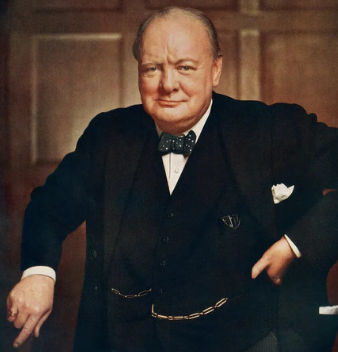
“True success is not avoiding failure, but learning from it,” - Winston Churchill.
Coordination of text and recommendations for speech
At the final stage, the finished text was presented. Together with the speaker, I outlined important points, including recommendations on voice volume and nonverbal communication. At the same time, people also received recommendations on how to complete the speech.
I noticed that many speakers ended their presentations with question-and-answer sessions, which often diluted the content and left the audience frustrated. Instead, I suggested taking the microphone and ending on a strong note. This approach has helped many of my clients leave a lasting impression on their listeners. 🎤
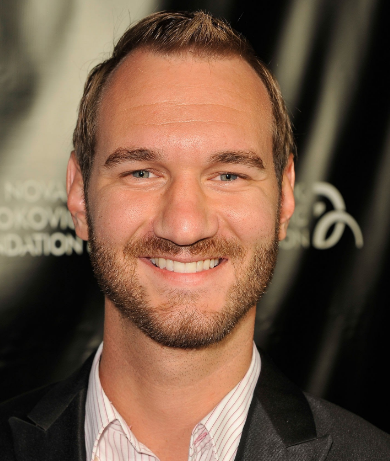
“Emotional closure can be the spark that ignites interest,” - Nick Vujicic, Australian author and philanthropist, motivational speaker, born with Tetra-amelia syndrome is a rare hereditary disease that results in the absence of all four limbs. “My mission is to help people find their path in life.”
Brief summary of the speechwriting process
| Process Steps | Description |
|---|---|
| Target audience analysis | Identify the characteristics of the audience and actively interact with it. |
| Collecting data about the topic and speaker | Interview with speaker, identifying his personal stories and preferences. |
| Writing | Structure, storytelling, rule of three , emotional involvement. |
| Agreement and recommendations | Final chord, accents, how to deliver an emotionally powerful message. |
The more I immersed myself in speechwriting, the more convinced I became of its unique value to effective communication. I hope this experience is useful and inspires you to create your own impressive speeches!

Often asked questions about Speechwriting
What is speechwriting?
How does speechwriting help in communication?
How is speechwriting different from copywriting?
Who needs speechwriting?
Why do you need speechwriting?
What is the structure of public speech?
What are the stages of writing a speech?
How to analyze your target audience?
How to effectively collect data on a speech topic?
How to write the text of a speech?
Thank you for becoming a smarter reader! 🌟
Speechwriting is not just an art, but real magic that changes the game in our communication. Now that I know how to construct my words correctly, I feel confident and powerful in everything I say. Every project I've worked on has been made more successful by speaking clearly and persuasively. Don't be afraid to use the techniques you've learned here! 💪🏻 Let your ideas sound the way they deserve. Share your thoughts in the comments, I'm interested to know your opinion!


Article Target
inform and inspire readers to explore speechwriting

Target audience
people interested in improving their communication skills, speakers, entrepreneurs
Save a link to this article

We build Elbuz, an e-commerce automation platform: price list imports, product matching, pricing rules, and marketplace exports. Our guides are written from the product's source code: the developer who built a feature drafts the article, and a separate reviewer checks every claim against the code. We write about the software we design and maintain ourselves.


Discussion of the topic – Speechwriting
Speechwriting
Latest comments
16 comments
Write a comment
Your email address will not be published. Required fields are checked *







Оливер
Speechwriting is like magic! I've always been amazed how one right approach can change perceptions. I recently read that the correct formatting of a speech can increase engagement 100 times. Does anyone have examples of successful performances?
Клара
I agree, Oliver! I myself prepare for a speech and study speechwriting. I think using emotional stories is the key to successful communication. Maybe someone can share how they do this?
Леонид Власов
Great question, Clara! Emotions really play a huge role. A personal experience or a short story can build trust with the audience. It is important not just to speak, but to do it sincerely.
Марио
Personally, I'm interested in how speechwriting can help in a business context. Are there examples of speeches that changed the course of negotiations?
Анна
Mario, this question is really important! I recently watched a video of Steve Jobs speaking. His way of presenting a product is a great example of using speechwriting in business.
Генрих
I don't understand why bother with all these newfangled methods. Speech should be simply understandable, not abstruse. All these trends will quickly subside.
Леонид Власов
Heinrich, your opinion has a right to life, but speechwriting helps you adapt to changes in communication. We live in a world where it is important to communicate information effectively, especially with an audience in mind.
Кася
Leonid, I agree with you! It is important to remember that every word must have meaning. I recently tried to use speechwriting in my publications, and it gave great results!
Эмиль
What structure do you prefer to use when constructing speeches? I find that a clear outline helps keep the message flowing and not lose the audience.
Леонид Власов
Emil, great point! I recommend using an introduction-body-conclusion structure. This helps create a logical line and makes information easier to perceive.
Луся
Speechwriting is not just words! This is a whole art. I try to always include something unique in my speeches. Does anyone have any advice on how to sound original?
Игорь
Lusya, one of the methods is the use of metaphors and images. This helps you be remembered and creates a lasting impression! What metaphors have you already used?
Натали
Really, Igor? I always try to make my presentations more visual by adding real-life examples. Helps keep listeners' attention!
Генрих
This is all good, but in my opinion, in the end, it depends on the person. If you don't have charisma, then no tricks will help. Every man for himself.
Леонид Власов
Heinrich, I cannot agree with this. Charisma is certainly important, but speechwriting can help unlock the potential of even the most humble speakers. The main thing is practice and working on yourself.
Оливия
Yes, Leonid, and practice really plays a key role here. I would even say that it is important not to be afraid to make mistakes - this is our best teacher!