




Транзитна реклама
Ви щодня бачите рекламу у транспорті, але чи замислювалися ви про те, як вона працює на вас? Я особисто випробував усі види транзитної реклами на практиці і готовий розповісти, як перетворити кожен ваш кілометр на джерело доходу. Давайте розумітися!
.png "Транзитна реклама")
Глосарій
- 🚌Транзитна реклама (ТР) - Вид зовнішньої реклами, що розміщується на транспорті та об'єктах транспортної інфраструктури для привернення уваги пасажирів і перехожих.
- 🚦Види транзитної реклами - Класифікація ТР за місцем розміщення: внутрішня (всередині транспорту), зовнішня (зовні транспорту) та на об'єктах транспортної інфраструктури (вокзали, зупинки).
- 🚎Зовнішня транзитна реклама - Розміщення рекламних матеріалів на зовнішній поверхні транспортних засобів (автобуси, тролейбуси, трамваї, поїзди, таксі та ін.).
- 🚇Внутрішня транзитна реклама - Розміщення реклами всередині салонів транспортних засобів, орієнтована на пасажирів (листівки, стікери, екрани, плакати).
- 🚉Реклама на об'єктах транспортної інфраструктури - реклама, що розміщується на вокзалах, станціях метро, аеропортах, зупинках громадського транспорту, пішохідних переходах та інших об'єктах, пов'язаних із транспортним рухом.
- ✅Переваги та недоліки транзитної реклами - Позитивні та негативні характеристики ТР як рекламного каналу, що включають охоплення, вартість, вплив та обмеження по креативу.
- 📜Правила розміщення – нормативні та законодавчі вимоги до розміщення транзитної реклами, включаючи формати, розміри, зміст та місця розміщення для дотримання безпеки та законності.
Транзитна реклама: від визначення до практичного застосування
Ви коли-небудь замислювалися, чому, поїздивши містом, ви раптом починаєте наспівувати нову пісню або згадуєте про продукт, який раніше не помічали? Швидше за все це магія транзитної реклами.

І повірте мені, за роки роботи в маркетингу, я бачив, як ця "магія" перетворюється з непомітного шепоту на потужний важіль продажу. Отже, давайте розбиратися по порядку, що ж таке транзитна реклама і чому вона заслуговує на вашу пильну увагу.
Коли вперше почув термін "транзитна реклама", зізнаюся, у голові з'явилася картинка чогось тимчасового, що проходить повз. Але занурившись у це питання глибше, зрозумів, що ця назва дуже точно відбиває суть.Транзитна реклама – це реклама, яка знаходить свого глядача у русі, у процесі його переміщення. Це розумна тактика "зловити" увагу людини, поки вона їде на роботу, стоїть у пробці, чекає на автобус або спускається в метро. На відміну від традиційної реклами, яка "чекає" споживача, транзитна реклама сама йде до нього, вбудовуючись у його повсякденний маршрут.
Спочатку, коли я тільки починав свій шлях у digital-маркетингу та e-commerce, ми переважно покладалися на класичні інструменти: SEO, контекстну рекламу, соціальні мережі. Але ринок змінювався, конкуренція зростала і ставало очевидним – потрібно шукати нові, нестандартні шляхи достукатися до покупця. Саме тоді, наче осяяння, прийшла ідея розглянути транзитну рекламу.
"У сучасному світі, де увага споживача розсіяна та перевантажена інформацією, використання транзитної реклами стає не просто додатковим, а найчастіше ключовим інструментом для ефективного просування бренду", - Вільям Бернбах, легендарна фігура в історії американської реклами. Є одним із засновників агентства Doyle Dane Bernbach і автором рекламної кампанії Think Small для Volkswagen Beetle, яка вважається кращою рекламною кампанією XX.

Транзитна реклама, як виявилось, не однорідна. Вона ділиться на кілька ключових видів, кожен з яких має свої особливості, переваги та недоліки. І щоб справді перетворити кожен кілометр шляху на прибуток, потрібно чітко розуміти ці відмінності.
Види транзитної реклами
Чи думали ви коли-небудь, скільки можливостей для реклами упускається нами, поки ми перебуваємо в дорозі? Вирушаючи на роботу, у відпустку або просто на прогулянку містом, ми постійно оточені потенційними рекламними повідомленнями. І це не просто випадковість, це ціла індустрія, яка, як на мене, недооцінена багатьма компаніями. Йдеться про транзитну рекламу – потужний інструмент, здатний перетворити кожен кілометр шляху на прибуток.

Зовнішня реклама на транспорті: коли ваш бренд їде до клієнта
Коли я тільки розпочинав свій шлях у світі маркетингу, мені здавалося, що зовнішня реклама – це щось банальне та застаріле. Банери, білборди… ну що в них такого? Однак, заглибившись у тему транзитної реклами, я зрозумів, як сильно помилявся. Зовнішня реклама на транспорті – зовсім інша історія. Це не статичне зображення на одному місці, це динамічне повідомлення, яке рухається разом з потоком життя, проникаючи в різні куточки міста і навіть за його межі.
Якось, працюючи з невеликим інтернет-магазином екологічно чистих продуктів харчування, ми зіткнулися з проблемою – обмежений бюджет на маркетинг та висока конкуренція в онлайн-просторі. Стандартні методи, на кшталт контекстної реклами та SEO, працювали, але повільно і не давали бажаного прориву. І ось тоді мені спала на думку ідея – а що якщо ми використовуємо вантажівки доставки для просування бренду?
Спочатку керівництво поставилося до цієї ідеї скептично. "Вантажівки – це для доставки, а не для реклами," – заявив директор з логістики. Але я наполяг на своєму, запропонувавши провести невеликий експеримент. Ми розробили яскравий дизайн для тентів вантажівок, що запам'ятовується, акцентуючи увагу на екологічності продуктів і зручності онлайн-замовлення. Нам вдалося домовитися з транспортною компанією, яка здійснювала доставку та запустили брендовані машини містом.
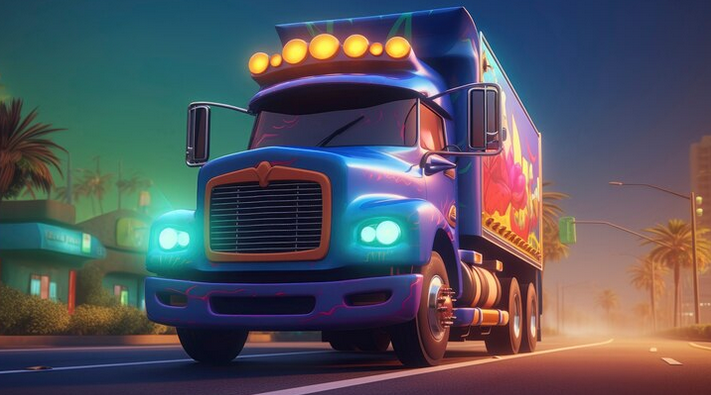
Ефект перевершив усі очікування. Вже за тиждень ми помітили різкий стрибок відвідуваності сайту та збільшення кількості замовлень. Люди почали впізнавати наші вантажівки на вулицях, фотографувати їх та ділитися у соціальних мережах. Спрацював ефект вірусного маркетингу! Звісно, не обійшлося без казусів. Якось вибухнув невеликий скандал, коли пильна бабуся сфотографувала нашу вантажівку, припарковану, на її думку, у недозволеному місці і відправила скаргу до міської адміністрації. Але навіть цей інцидент завдяки оперативній реакції нашої PR-служби обернувся на нашу користь. Історія потрапила до місцевих новин і про наш бренд дізналося ще більше людей. У результаті експеримент із брендуванням вантажівок виявився настільки успішним, що ми зробили його постійною частиною нашої маркетингової стратегії. Це був наочний приклад того, як, здавалося б, простий прийом зовнішньої реклами може дати потужний поштовх у розвиток e-commerce бізнесу.
Переваги зовнішньої реклами:
- Широке охоплення аудиторії: Транспортні засоби переміщаються містом, охоплюючи різні райони та великі верстви населення. Це забезпечує масовий контакт із рекламою.
- Динамічність та помітність: Рухаюча реклама привертає більше уваги, ніж статичні білборди Вона помітна у міському потоці і краще запам'ятовується.
- Різноманітність форматів: Зовнішня реклама пропонує широкий вибір форматів та розмірів рекламних носіїв, від невеликих стікерів до повного брендування автобусів.
.gif "Транзитна реклама")
Недоліки зовнішньої реклами:
- Найменша тривалість контакту: На відміну від внутрішньої реклами, контакт із зовнішньою рекламою зазвичай короткочасний, особливо для пішоходів та водіїв інших автомобілів. Реклама має бути яскравою, що запам'ятовується і легко зчитується на ходу.
- Залежність від погодних умов: Зовнішня реклама піддається впливу погоди, бруду, пилу, що може знижувати її видимість та привабливість. Потрібне регулярне чищення та оновлення рекламних матеріалів.
- Обмеження на розміщення: У деяких містах існують обмеження щодо розміщення зовнішньої реклами на транспорті, наприклад, в історичних центрах або на певних видах транспорту.
Як ефективно використовувати зовнішню рекламу на транспорті: покрокове керівництво
| Крок | Опис |
|---|---|
| 1. Визначте цільову аудиторію та географію. | Зрозумійте, кого ви хочете охопити і в яких районах міста чи регіону ваше повідомлення буде найефективнішим. |
| 2. Розробте креативний дизайн, що запам'ятовується. | Ваша реклама має бути яскравою, лаконічною та легко читаною за короткий час контакту. Зосередьтеся на УТП. |
| 3. Виберіть відповідний вид транспорту. | Оцініть, який тип транспорту (автобуси, вантажівки, легкові автомобілі) найкраще відповідає вашій цільовій аудиторії та бюджету. |
| 4. Погодьте розміщення з транспортною компанією чи власником транспорту. | Уточніть всі деталі розміщення, терміни, вартість та умови співробітництва. |
| 5. Запустіть рекламну кампанію та відстежуйте результати. | Використовуйте інструменти аналітики для оцінки ефективності вашої реклами та внесення коригувань за потреби. |
Внутрішня реклама на транспорті: особистий контакт із вашим клієнтом
На відміну від зовнішньої реклами, внутрішня транзитна реклама – це як довірча розмова із клієнтом. Пасажир, перебуваючи в салоні автобуса, трамвая чи поїзда, опиняється у своєрідному "закритому просторі", де має час і можливість уважно вивчити рекламне повідомлення. І цим, як на мене, гріх не скористатися!
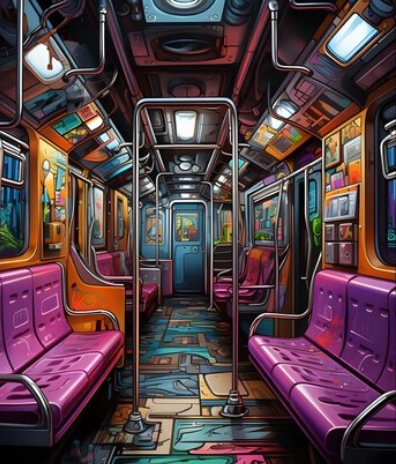
У моїй практиці був випадок, пов'язаний із просуванням онлайн-курсів іноземними мовами. Ми перепробували різні канали – від рекламної таргетованої в соціальних мережах до email-маркетингу. Але чогось не вистачало. Клієнти реєструвалися на безкоштовні вебінари, але конверсія в платні курси залишала бажати кращого. Тоді мені прийшла ідея використати внутрішню рекламу в електричках. Адже хто їде в електричці вранці та ввечері? Люди, які їдуть на роботу та з роботи. Багато хто з них, як я припустив, може бути зацікавлений у саморозвитку та вивченні іноземних мов.
Ми розробили серію постерів для розміщення у вагонах електричок. На постерах були розміщені не просто оголошення про наші курси, а цілі міні-історії успіху людей, які вивчили мову та досягли успіху в кар'єрі. Ми вирішили зіграти на емоціях та мотивації. Крім того, ми додали QR-код, який веде на сторінку з безкоштовним пробним уроком.
Запуск кампанії спричинив справжній фурор! Пасажири читали постери, як захоплюючі новели, сканували QR-коди та реєструвалися на сайті. Конверсія з безкоштовного пробного уроку на купівлю платного курсу зросла у рази! Нам навіть дзвонили з компанії, що займається обслуговуванням електричок, з подивом розповідаючи, що люди фотографують наші постери та обговорюють їх у соцмережах. "Ніколи такого не бачили, щоб реклама викликала такий живий інтерес!" – зізнався менеджер із реклами. Цей кейс став для мене черговим підтвердженням того, що внутрішня транзитна реклама, за умови правильного підходу, може бути неймовірно ефективною для e-commerce, особливо якщо йдеться про товари та послуги, орієнтовані на конкретну цільову аудиторію.
Переваги внутрішньої реклами:
- Висока частота контактів: Пасажири проводять у транспорті значний час, особливо у години пік. Реклама постійно знаходиться перед очима, збільшуючи ймовірність запам'ятовування та впливу.
- Цільова аудиторія: Залежно від маршруту транспорту можна досить точно сегментувати аудиторію Наприклад, реклама товарів для молоді буде більш ефективною на маршрутах, що проходять через студентські райони.
- Відносно низька вартість: У порівнянні із зовнішньою рекламою або рекламою на телебаченні, внутрішня транзитна реклама часто є більш доступним варіантом, особливо для невеликих та середніх підприємств.

Недоліки внутрішньої реклами:
- Обмеженість часу контакту: Хоча час поїздки може бути досить довгим, увага пасажирів може бути розсіяною Люди можуть читати, слухати музику, розмовляти телефоном, відволікаючись від реклами.
- Вандалізм: Рекламні матеріали, особливо листівки та стікери, можуть піддаватися вандалізму з боку пасажирів. Це вимагає регулярного оновлення та контролю.
- Обмеженість формату: Розміри рекламних носіїв усередині транспорту зазвичай обмежені, що не завжди дозволяє реалізувати складні креативні концепції
Як створити ефективну внутрішню рекламу на транспорті: покрокова інструкція
| Крок | Опис |
|---|---|
| 1. Вивчіть маршрути та пасажиропотік. | Виберіть транспортні маршрути, які перетинаються з цільовою аудиторією. |
| 2. Визначте оптимальний формат реклами. | Вирішіть, який формат (постери, листівки, аудіо, відео) буде найефективнішим для вашого повідомлення та бюджету. |
| 3. Створіть контент, який буде цікавим та корисним для пасажирів. | Ваша реклама має не просто продавати, а й розважати, інформувати чи мотивувати пасажирів. |
| 4. Забезпечте чіткий заклик до дії. | Вкажіть, що саме ви хочете, щоб пасажир зробив (перейшов на сайт, зателефонував, передплатив). |
| 5. Проведіть тестування та аналіз результатів. | Запустіть рекламу на обмеженій кількості маршрутів, відстежте результати та внесіть коригування перед масштабуванням кампанії. |
Реклама на об'єктах транспортної інфраструктури: Ваше повідомлення завжди на увазі
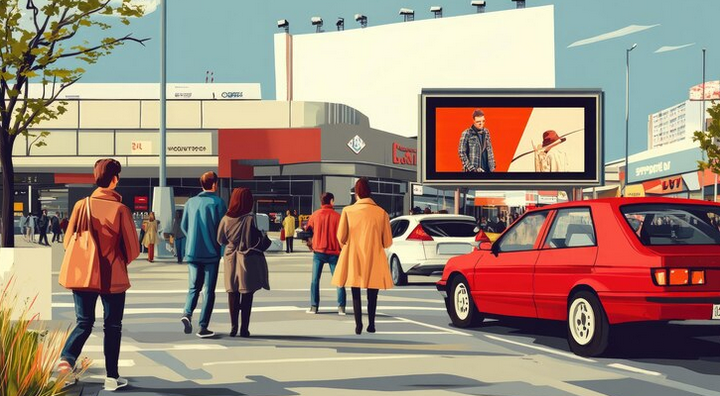
Реклама на об'єктах транспортної інфраструктури – це, як на мене, стратегічно важливий вид транзитної реклами. Зупинки, вокзали, станції метро – це місця, де люди проводять час в очікуванні транспорту. І цей час можна і потрібно використовувати для того, щоб донести до них рекламне повідомлення.
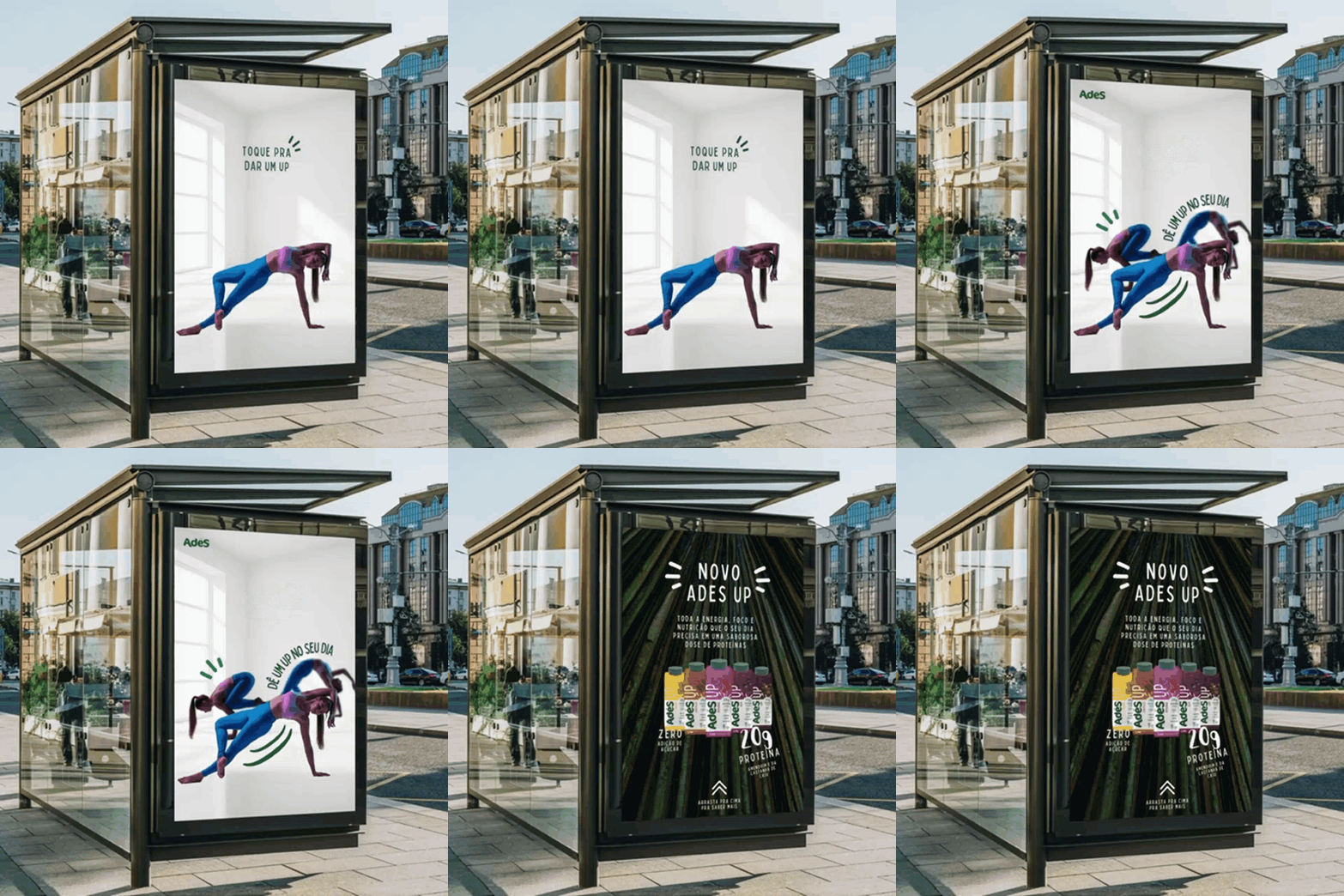
У моїй практиці був цікавий проект, пов'язаний із просуванням нового мобільного додатка для замовлення таксі. Конкуренція в цій ніші була і є величезною. Просто запустити рекламу в інтернеті було замало. Потрібен був нестандартний підхід. І тоді я запропонував використати рекламні можливості автобусних зупинок.
Ми розробили яскраві та креативні постери, які розмістили на зупинках у жвавих районах міста. На постерах були зображені не тільки логотип програми та заклик до скачування, але й інтерактивні елементи – QR-коди для швидкого переходу в App Store або Google Play, а також ігрові механіки, на кшталт "знайди відмінності" або "збери пазл", пов'язані з тематикою таксі. Ми хотіли не просто привернути увагу, а й залучити людей до взаємодії з рекламою.
Ефект виявився приголомшливим. Зупинки перетворилися на своєрідні "міні-рекламні майданчики", де люди, чекаючи на автобус, грали з постерами, сканували QR-коди і встановлювали додаток. Кількість завантажень програми зросла в геометричній прогресії! Навіть конкуренти, як мені стало відомо з кулуарних розмов, були шоковані такою ефективністю. Цей кейс ще раз переконав мене, що реклама на об'єктах транспортної інфраструктури – це потужний інструмент, який може дати відмінні результати, особливо для e-commerce компаній, орієнтованих на масового споживача.
Як ефективно використовувати рекламу на об'єктах транспортної інфраструктури: чек-лист успіху
| Крок | Опис |
|---|---|
| 1. Виберіть стратегічно важливі локації. | Зосередьтеся на місцях з високою прохідністю та концентрацією вашої цільової аудиторії (зупинки біля торгових центрів, бізнес-центрів, навчальних закладів тощо). |
| 2. Використовуйте різноманітні формати реклами. | Розгляньте різні варіанти розміщення (постери, лайтбокси, відеоекрани, інтерактивні інсталяції) для максимального охоплення та впливу. |
| 3. Створіть привабливий та інформативний контент. | Ваша реклама має бути не лише помітною, а й містити цінну інформацію чи пропозицію для потенційних клієнтів. |
| 4. Інтегруйте онлайн та офлайн канали. | Використовуйте QR-коди, посилання на сайт або соціальні мережі для направлення трафіку в онлайн-простір. |
| 5. Проводьте регулярний моніторинг та оптимізацію. | Відстежуйте ефективність вашої реклами на різних об'єктах інфраструктури та вносьте зміни для покращення результатів. |
Транзитна реклама: прибуток та підводне каміння
Коли до мене, як до спеціаліста з реклами, вперше звернувся власник невеликого інтернет-магазину авторських прикрас ручної роботи, я, зізнаюся, трохи засумнівався у виборі транзитної реклами. Ситуація, чи знаєте, була не простою. Бюджет скромний, конкуренція у ніші зашкалює, а клієнт, начитавшись статей в інтернеті, горів бажанням «забрендувати автобус».

“Роман, ну як же?
Ентузіазму в нього було хоч греблю гати, але мій досвід підказував, що не все так райдужно, як пишуть у рекламних брошурах. Транзитна реклама, як і будь-який інший інструмент, має свої яскраво виражені переваги та недоліки, які потрібно тверезо оцінювати, щоб не спустити бюджет у трубу І знаєте, на той момент у мене народилася думка: а що, коли ми спробуємо? Адже найкращий спосіб зрозуміти, чи щось працює – це перевірити на практиці.
Отже, ми вирішили ризикнути і пуститись в авантюру під назвою "транзитна реклама для маленького ювелірного онлайн-магазину". Вибрали, як і хотів клієнт, брендування автобусів – найбільш, мабуть, помітний та мобільний вид транзитної реклами. Дизайн макета разработали яркий, запоминающийся, с акцентом на уникальность и ручную работу изделий. Короткий, цепляющий слоган, узнаваемый логотип и конечно, QR-код, ведущий прямиком в интернет-магазин. Вложились, честно говоря, немало, особенно на фоне скромного бюджета. Сердце, признаюсь, екало – а вдруг прогорим?
Первые недели, честно скажу, энтузиазма не добавили. Всплеска продаж, о котором мечтал клиент, не произошло. Сайт, конечно, посещали, но конверсия оставляла желать лучшего. Клиент начал паниковать: "Рома, что мы наделали? Деньги на ветер! Говорил же мне дядя Вася, что эта ваша реклама – ерунда полная! Надо было листовки раздавать, вот это дело!"
Пришлось успокаивать, анализировать ситуацию. Стало очевидно –широкий охват, о котором так много говорят, оказался палкой о двух концах. Да, рекламу видели тысячи, но цільова аудиторія среди них была размыта. Мы рекламировали нишевый продукт, а автобусы, как известно, перевозят всех подряд. Это вам не таргетированная реклама в соцсетях, где можно выцепить поклонников хендмейд и ценителей прекрасного.
Но сдаваться я не привык. И тут мне пришла в голову идея: а что если попробовать использовать географический таргетинг транзитной рекламы? Ведь автобусные маршруты, как правило, охватывают определенные районы города. Мы проанализировали заказы из интернет-магазина и выявили, что большинство покупателей проживают в центральных и спальных районах, где концентрация потенциальных клиентов выше. Решили скорректировать маршруты брендированных автобусов, сделав упор именно на эти районы.
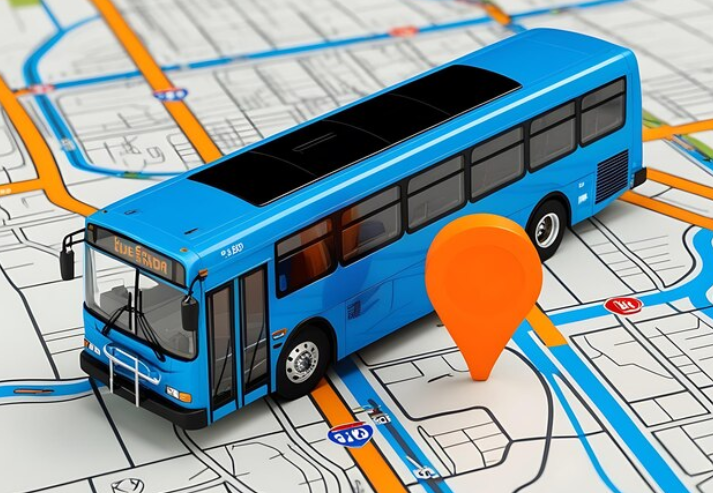
И вот тут, как говорится, случилось чудо! Постепенно, но уверенно, количество брендированных поисковых запросов стало расти. Заходы на сайт из прямых источников увеличились. И самое главное, поползли вверх продажи! Клиент ликовал, а дядя Вася, наверное, завистливо вздыхал. Мы не просто окупили вложения в транзитную рекламу, но и вышли в хороший плюс.
Этот кейс стал для меня наглядным примером того, как правильное использование транзитной рекламы может принести ощутимую прибыль даже для небольшого e-commerce бизнеса. Но, что важно помнить – необходимо учитывать все «подводные камни» и тщательно анализировать эффективность.
Помимо брендирования автобусов, мы рассмотрели и другие виды транзитной рекламы. В частности, рекламу внутри транспорта. Это, как мне кажется, отличный вариант для удержания внимания аудитории в моменты ожидания или поездки. Разместили рекламные листовки в маршрутках – сработали неплохо, особенно в плане повторных показов. Люди, едущие на работу и с работы, невольно читали рекламу по несколько раз за день. Это создавало эффект навязчивости, но в хорошем смысле слова – бренд запоминался.
Однако, столкнулись и с недоліками. По-перше,время контакта с рекламой внутри транспорта ограничено временем поездки. Во-вторых,измерить конверсию здесь еще сложнее, чем с наружной транзитной рекламой. Можно отслеживать рост прямых заходов на сайт и брендированных запросов, но это все косвенные показатели. Плюс ко всему, есть риск вандализма – листовки могут сорвать, испачкать или заклеить конкуренты, чего в нашей практике мы, кстати, тоже не избежали.
Еще один интересный вид транзитной рекламы – это размещение на объектах транспортной инфраструктуры. Реклама на вокзалах, в аэропортах, на станциях метро – это тоже мощный инструмент, особенно для брендов, ориентированных на широкую аудиторию. Мы рассматривали этот вариант, но для нашего маленького ювелирного магазина он показался слишком масштабным и дорогостоящим. Хотя, для крупных e-commerce гигантов, вроде площадок по продаже электроники или одежды, реклама в аэропорту может стать отличным способом подчеркнуть свой статус и охватить путешествующую публику.
Подводя итог, хочу сказать, что транзитная реклама – это не волшебная палочка, а скорее хирургический инструмент. В умелых руках он может творить чудеса, но в неопытных – легко навредить. Главное – трезво оценивать возможности, учитывать особенности своего бизнеса и целевой аудитории и не бояться экспериментировать. А уж если что-то не получилось с первого раза – не опускать руки, а анализировать ошибки и искать новые пути к успеху. Ведь в рекламе, как и в жизни, кто не рискует, тот не пьет шампанское!

Шаг за шагом к успеху в транзитной рекламе: личный опыт
| Крок | Опис | Ключевое действие | Результат |
|---|---|---|---|
| 1. Оценка целесообразности транзитной рекламы | Первичное обращение клиента с запросом на транзитную рекламу, сомнения автора в эффективности для нишевого продукта. | Трезвая оценка преимуществ и недостатков транзитной рекламы для конкретного бизнеса. | Формирование гипотезы о потенциальной эффективности при правильном подходе. |
| 2. Выбор вида транзитной рекламы | Выбор брендирования автобусов как самого заметного и мобильного варианта. | Разработка яркого и запоминающегося макета с QR-кодом для перехода в интернет-магазин. | Запуск рекламной кампании, ожидание результатов. |
| 3. Анализ первых результатов | Отсутствие ожидаемого всплеска продаж, паника клиента, осознание размытости целевой аудитории. | Анализ трафика сайта, брендированных запросов, выявление проблем нецелевого охвата. | Осознание необходимости корректировки стратегии. |
| 4. Географический таргетинг | Идея использовать географический таргетинг, анализ заказов для определения целевых районов города. | Корректировка маршрутов автобусов с акцентом на районы проживания целевой аудитории. | Увеличение концентрации показов рекламы среди потенциальных клиентов. |
| 5. Достижение результата | Рост брендированных запросов, прямых заходов на сайт, увеличение продаж. | Постоянный мониторинг показателей, оптимизация рекламной кампании при необходимости. | Окупаемость вложений, выход в прибыль, удовлетворенность клиента и автора. |
| 6. Эксперименты с другими видами | Рассмотрение рекламы внутри транспорта, тестирование на маршрутках. | Размещение листовок внутри маршруток, оценка эффекта повторных показов. | Подтверждение эффективности для удержания внимания, но сложности в измерении конверсии, выявление недостатков. |
.png "Транзитна реклама")
Часто задаваемые вопросы по теме Транзитная реклама
Что такое транзитная реклама и в чем ее основная цель?
Какие основные виды транзитной рекламы существуют?
В чем заключаются преимущества внутренней транзитной рекламы?
Каковы недостатки внутренней транзитной рекламы?
Какие плюсы внешней транзитной рекламы на транспорте?
Какие минусы внешней транзитной рекламы на транспорте следует учитывать?
В чем особенность рекламы на объектах транспортной инфраструктуры?
Какие форматы рекламы используются на объектах транспортной инфраструктуры?
Какие правила необходимо соблюдать при размещении транзитной рекламы?
Где можно найти примеры успешных кейсов транзитной рекламы?
Спасибо за чтение! Вы – эксперт! 🚀
Ось і все!Транзитная реклама больше не секрет! Каждый километр – ваш новый рынок. Внедряйте и получайте прибыль! Роман Ревун, Elbuz. Напишите в комментариях, как вам статья 👇!

Мета статті
Інформування читачів про можливості транзитної реклами та навчання ефективного застосування даного виду реклами для просування бізнесу та збільшення впізнаваності бренду.

Цільова аудиторія
маркетологи, спеціалісти з реклами, власники бізнесу, підприємці, студенти маркетингових спеціальностей, усі, хто цікавиться ефективними методами реклами.
Збережи посилання на цю сторінку

Ми розробляємо Elbuz — систему автоматизації для інтернет-магазинів: імпорт прайс-листів, зіставлення товарів, правила націнки, вивантаження на маркетплейси. Керівництва пишемо за вихідним кодом програми: розділ готує розробник відповідної функції, а окремий рецензент звіряє кожне твердження з кодом. Пишемо про те, що самі спроектували й підтримуємо.


Обговорення теми – Транзитна реклама
Транзитна реклама
Останні коментарі
15 коментарів
Написати коментар
Ваша адреса електронної пошти не буде опублікована. Обов'язкові поля відмічені *
.png)







Roman Revun
Транзитна реклама – це просто золота жила! 🤩 Скільки людей щодня кудись їдуть, і всі вони потенційні клієнти. А ви як вважаєте, які види транзитки зараз найефективніші? 🤔 #транзитнареклама #маркетинг #реклама
William
Roman Revun, абсолютно згоден, потенціал величезний! А ось які саме види зараз кермують? 🤔 Цікавить зовнішня реклама на транспорті і внутрянка, що зараз більше чіпляє аудиторію? #питання #рекламанатранспорті
Ingrid
William, у Німеччині зараз внутрішня реклама в автобусах дуже популярна. 🚌 Їдеш собі, а перед очима і знижки, і нові продукти. Не можу сказати, що прям біжу купувати, але увагу точно привертає! # досвід # Німеччина # Автобуси
Roman Revun
William, Ingrid, види залежить від мети. Зовнішність на транспорті - це охоплення, брендинг, впізнаваність. Внутрішня – більш точковий вплив, особливо якщо продумати маршрути та аудиторію. Ingrid, так, в автобусах класика, але зараз і екрани ставлять, і інтерактив додають! #відповідь #відиреклами #транзитка
Antoine
Roman Revun, а як ефективність взагалі міряти у транзитки? 🤔 CTR як в онлайні не порахуєш. Якісь методики є, окрім "на око"? #аналітика #ефективність реклами #маркетинг
Isabella
Antoine, мені здається, тут креатив вирішує все! ✨ В Іспанії бачила рекламу музею на автобусах – так круто оформлено, що захотілося одразу піти! 🎨 Або ось, пам'ятаю, кавовий бренд на зупинках зробив ароматизацію – пахло кавою, поки чекаєш на автобус! ☕ #креатив #приклади #іспанія
Günther
Вся ця ваша транзитна... тренди, шменди. 🙄 Їздить воно все, миготить, а толку? Гроші на вітер, краще б нормальні дороги зробили. Ось раніше реклама була – щити вздовж доріг, зрозуміло та просто. А зараз... нісенітниця одна. #бурчання #старашкола #скептик
Marco
Isabella, ароматизація на зупинках – це геніально! 🤩 В Італії якось бачив рекламу ресторану на трамваї – весь трамвай як вагон-ресторан оформили, усередині столики, меню. Дуже запам'яталося! 🇮🇹 #італія #прикладиреклами #маркетинг
Anna
А які мінуси у транзитки? 🤔 Ось Günther правильно говорить, може, це і справді не так ефективно, як здається? Які підводні камінці є, крім вартості? # питання # мінуси реклами # маркетинг
Katarzyna
Anna, мінуси точно є. У Польщі одна компанія розмістила рекламу на автобусах, а за тиждень маршрут змінили! 🤦♀️ І вся реклама – у спальному районі, де їх цільовій аудиторії нуль. Контроль потрібний жорсткий за розміщенням! #Польща #Кейс #Помилкимаркетингу
Roman Revun
Antoine, Anna, ефективність транзитки міряють і опитуваннями, і зростанням впізнаваності бренду, і опосередкованими продажами. Важко так, але методи є. Мінуси – контроль за розміщенням, Günther, вандалізм буває, погода впливає. Але плюсів все одно більше! 😉 #відповіді #маркетинг #ефективність
William
Roman Revun, а що в майбутньому чекає на транзитку? Якісь нові формати з'являються? Може, digital якийсь транзитний? 🤔 #майбутнє #трендиреклами #digital
Ingrid
William, digital транзитка – це точно тренд! 🚀 У метро екрани з рекламою вже скрізь. І на зупинках теж розумні панелі ставлять, де реклама змінюється в залежності від доби або погоди. #digitalреклама #новітехнології #метро
Antoine
Ingrid, так, digital – це цікаво. А якщо ще AI підключити, щоб рекламу показувати таргетованіше, залежно від того, хто поруч проходить чи їде? 🤔 #AI #таргетинг #реклама майбутнього
Isabella
Antoine, Ingrid, звучить круто! Транзитка не вмирає, а навпаки, розвивається! 🎉 Головне – креатив та технології, і буде нам прибуток із кожного кілометра! 👍 #позитив #транзитка жива #маркетинг майбутнього