




Кабінетне дослідження
Кабінетне дослідження - це не просто набір даних, а ключ до розуміння складних питань. Дізнавшись секрети, які я відкрив, працюючи над важливими проектами, ви зможете перетворити факти на потужні рішення. Пориньте у світ ефективного аналізу та дізнайтеся, як зробити свої дослідження по-справжньому результативними.

Глосарій
📚 Кабінетне дослідження - метод дослідження, який заснований на аналізі існуючих даних та матеріалів, зібраних раніше, без необхідності проведення польових досліджень.
🔍 Аналіз даних - процес систематичної обробки та інтерпретації зібраної інформації для отримання висновків та рекомендацій.
📝 Джерела даних - різні ресурси, що містять інформацію, яку можна використовувати для кабінетного дослідження, такі як журнали, книги, звіти та інтернет-ресурси.
✅ Плюси кабінетних досліджень - швидкість отримання інформації , економія часу та засобів, доступ до широкого спектру даних
⚠️ Мінуси кабінетних досліджень - можливість старіння даних відсутність специфічної інформації, можливі спотворення даних
🌐 Методи кабінетних досліджень - способи, що використовуються для збору та аналізу інформації, такі як контент-аналіз, порівняльний аналіз, статистичний аналіз та мета-аналіз.
📊 Контент-аналіз - метод, при якому досліджується зміст документів, текстів та інших джерел з метою виявлення закономірностей та смислів.
📈 Порівняльний аналіз - метод, що дозволяє зіставити та проаналізувати дані з різних джерел для виявлення відмінностей та подібностей.
🔗 Мета-аналіз - метод об'єднання кількісних даних із кількох досліджень для досягнення більш обґрунтованих висновків.
🗂️ Архівні дані - інформація, збережена в державні або приватні архіви, які можуть бути використані для досліджень.
🌍 Вторинні дослідження - дослідження, що засновані на аналізі даних, зібраних іншими дослідниками чи організаціями, на відміну первинних досліджень, де дані збираються вперше.
Як провести кабінетне дослідження ефективно
У своєму досвіді я неодноразово стикався з необхідністю провести кабінетне дослідження. Скажу одразу, на перший погляд, це може здатися простою справою: не потрібно ж орендувати приміщення, об'єднувати команду або проводити опитування. Але за своїм досвідом я зрозумів, що справжня ефективність полягає в тому, як саме ти підходиш до збору та аналізу даних.
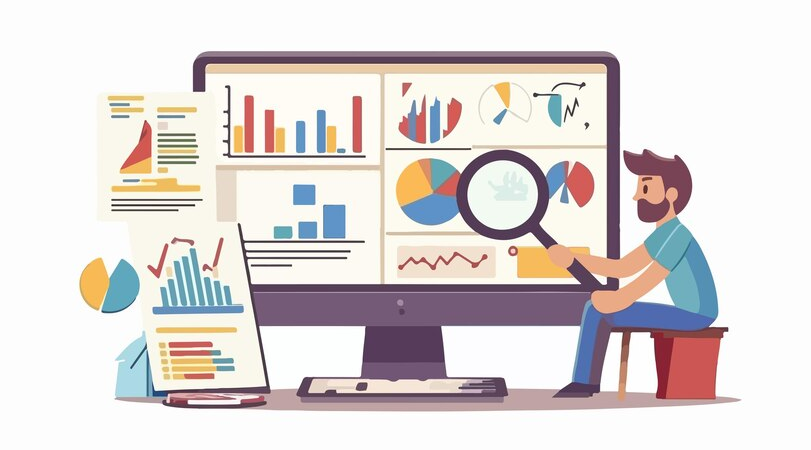
На одному з проектів мені потрібно було дослідити стан ринку певного продукту в регіоні. Я почав з того, що з селектором команди ми нашвидкуруч визначили мету дослідження — отримати повну картину про конкурентів і поточні тренди. Спочатку я вирішив звернутися до відкритих даних. За день вдалося зібрати багато інформації з різних джерел — від статистики Державного комітету статистики України до спеціалізованих статей та звітів.
Очікування не виправдалися. Необхідні цифри та аналітика виявилися розкиданими за різними джерелами, деякі дані суперечили один одному. Так народилася ідея: розмовляти з експертами у цій галузі. Я виявив, що особисті взаємодії з професіоналами можуть дати ту цінну інформацію, якої не вистачає в наявних даних. Спілкування з експертом у галузі маркетингу стало одкровенням — за його допомогою я зміг розібратися, які метрики варто розглядати у дослідженні, а які можна проігнорувати. Ця зміна у підході не лише покращила якість досліджень, а й дозволила зробити більш обґрунтовані висновки.
Ось кілька порад, які я виніс з цього досвіду:
- Вивчайте різноманітні джерела інформації — не обмежуйтеся лише одним, використовуйте кілька, щоб охопити повну картину.
- Спілкуйтеся з експертами - їх досвід та думки можуть дати вам унікальні ідеї та інсайти.
- Перевіряйте дані — іноді готова інформація може бути застарілою або помилковою, що призведе до невірних висновків.
"Ефективність кабінетного дослідження полягає в глибокому аналізі та сміливому підході до джерел," - Кевін Сістром, американський підприємець і програміст, творець та генеральний директор соціальної мережі «Інстаграм». Мільярдер.
Навіщо потрібні кабінетні дослідження
Кабінетні дослідження можуть стати основою для багатьох наступних дій. Їх ключовими завданнями, з якими я стикався, стали:
- Вивчення конкурентів: аналіз їх пропозицій, цінової політики та медіа згадок. Це можливо завдяки відкритим даним та статистиці, які під рукою.
- Дослідження ринку: оцінка його ємності та особливо значущих метрик.
- Визначення особливостей цільових груп: що дозволяє розробляти найбільш цілеспрямовані маркетингові стратегії.
У моєму досвіді, кабінетне дослідження часто ставало першою сходинкою перед польовим дослідженням. Наприклад, на одному з проектів висновки з кабінетного аналізу допомогли нам сформулювати гіпотези для опитувань, які потім провели з цільовою аудиторією. Такий підхід дозволив одразу вийти на ефективні рішення.
Плюси та мінуси кабінетних досліджень
У процесі роботи з кабінетними дослідженнями я дійшов висновку про наявність як плюсів, так і мінусів. З одного боку, доступність інформації виявилася вражаючою:
- 📉 Економічність: не потрібно багато витрат запуск дослідження.
- 🌐 Доступність: цілі пласти даних доступні в мережі, додаючи багато вихідної інформації до дійсності.
- 🔄 Універсальність: дані підходять для різних типів аналізу та досліджень.

З іншого боку, є і суттєві обмеження . Я виявив, що:
- 📊 Готові дані можуть бути ненадійними: дослідження часто проводяться для інших завдань, і тоді такі дані не завжди підходять для вирішення поточних завдань.
- ⚠️ Обмежені можливості: іноді виникають ситуації, коли неможливо отримати інформацію без проведення польового дослідження.
У результаті, кабінетні дослідження стали досить ефективним інструментом у моєму арсеналі. Головне — намагатися максимально використовувати наявні ресурси та не боятися додатково спілкуватися з людьми, які можуть внести ясність.
Оглядова стаття з рекомендаціями
| Кроки для ефективного кабінетного дослідження |
|---|
| 1. Визначити чітку мету та ключові питання |
| 2. Дослідити доступні джерела інформації |
| 3. Проводити аналіз зібраних даних |
| 4. Обговорити інформацію з експертами в цій галузі |
| 5. Робити обґрунтовані висновки та формувати гіпотези для подальших досліджень |
Таким чином, кабінетне дослідження стає не просто обов'язком, а потужним інструментом у розумінні ринку та потреб цільової аудиторії.
Джерела даних для кабінетних досліджень
У світі кабінетного дослідження має значення правильна робота з джерелами даних. З власного досвіду знаю, як складно буває зібрати все необхідне завершення аналізу. Хоча спочатку виникало багато питань – звідки взяти актуальну інформацію? Як оцінити її достовірність? Згодом прийшло розуміння, що джерела можна умовно розділити на внутрішні та зовнішні, і цей поділ виявився вкрай корисним.

Якось, коли я працював над дослідженням для великої компанії, зіткнувся з необхідністю проаналізувати дані про продаж. Я проаналізував внутрішні джерела, такі як записи бухгалтерії та системи CRM. Дивно, але мені вдалося виявити, що в одному з регіонів продаж зріс на 30% всього за півроку, хоча в цілому по країні спостерігалася стагнація. Цю інформацію я використав, щоб наголосити на потенціалі певного ринку, показуючи команді, що з правильним підходом можна досягти високих результатів.
Ось які дані допомогли мені в цьому процесі:
- 📊 Дані бухгалтерського обліку: дозволили отримати повне уявлення про фінансовий стан компанії.
- 📈 Клієнтська база: надала можливість проаналізувати поведінку покупців.
- 🗂️ Звіти CRM: допомогли простежити за динамікою продажів та виявити успішні стратегії.
Але не забувайте і про зовнішні дані! Вони надають важливий контекст для аналізу. Під час дослідження я використав дані державної статистики та готові маркетингові матеріали. Наприклад, звіти від аналітичних центрів, такі як YouControl або «Опендатабот», стали для мене справжнім джерелом інформації. За потребою звертався до ресурсів на кшталт Grebennikon для отримання готових аналізів ринку.
Неможливо переоцінити важливість опитувань громадської думки. Ці дані можна використовувати для розуміння очікувань та настроїв цільової аудиторії. Вони відповідає безліч запитань і можуть суттєво вплинути на рішення, прийняті в компанії. Як я одного разу зауважив, «фундамент будь-якого успішного плану – це знання свого клієнта».
Цитата експерта:
"Використання різноманітних джерел даних - це не просто хороша практика, а необхідна стратегія для досягнення успіху в бізнесі". - Меделін Хатчісон, експерт із компанії Zappos.
Отже, як ефективно використовувати джерела дані ?
- Визначте, які саме дані вам потрібні і з яких джерел ви можете взяти їх.
- Проведіть аналіз доступних внутрішніх даних, щоб вловити загальні тенденції.
- Зверніться до зовнішніх ресурсів, щоб доповнити вашу картину.
- Не забудьте про оновлення даних. Наприклад, нові звіти можуть змінити ваш погляд на ситуацію.
Сподіваюся, що мої поради допоможуть вам у подальших дослідженнях. Дотримуючись цих простих кроків, ви отримаєте повне уявлення про те, що відбувається на ринку, а значить, зможете приймати правильні рішення.
Огляд таблиці
| Крок | Дія | Опис |
|---|---|---|
| 1 | Визначити потрібні дані | Дізнатися, що саме потрібно для аналізу. |
| 2 | Аналіз внутрішніх даних | Використовувати бухгалтерію та CRM для отримання базової інформації. |
| 3 | Зв'язатися із зовнішніми джерелами | Підібрати актуальні дослідження від аналітиків. |
| 4 | Оновлення даних | Регулярно перевіряти свіжі звіти для актуальності. |
Таким чином, створення ефективного кабінетного дослідження передбачає ретельний підхід до джерел даних і, дотримуючись цих рекомендацій, ви зможете значно підвищити ефективність своїх досліджень.
Методи кабінетного дослідження
Коли я одного разу поринув у світ кабінетних досліджень, мені стало очевидним, що правильне використання методології та підходів може докорінно змінити результат. Я завжди вважав, що для успішного аналізу необхідно використовувати статистичні методи, і моє глибоке переконання лише зміцнилося під час одного проекту, пов'язаного з оцінкою ринкової вартості нерухомості.

🎯 Статистичні методи. Маючи справу з власником, який бажав продати квартиру, я вирішив використати кабінетне дослідження для оцінки приблизної ринкової вартості. Звернули увагу на всі значні критерії: район, площа, поверх та ступінь ремонту. Але на цьому я не зупинився. Вивчення статистики продажу аналогічних квартир виявилося досить інформативним. Порівнюючи продажі в різні сезони та враховуючи інші фактори попиту, вдалося виявити закономірності. Я використовував програми, такі як Excel та SPSS, щоб візуалізувати ці дані та побудувати графіки, що відображають динаміку цін. То справжній процес відкриття.
📊 Маркетинговий аналіз. Звернувся до SWOT-аналізу, щоб оцінити конкуренцію та економічне середовище. Це допомогло мені визначити сильні та слабкі сторони не лише об'єкта, а й компанії загалом. "Ми не просто продаємо квартири, ми відчиняємо двері", - вигукнув один із моїх колег, коли ми обговорювали результати аналізу. Ці слова ніби розкрили переді мною всю картину і стало очевидним, наскільки важливо розуміти ринок.
💡 Case-study. Порівнюючи успіхи інших проектів, я звернув увагу на випадки, коли підприємці хотіли відкрити нові заклади, наприклад кав'ярні у невеликих містах. Успіхи і часом невдачі цих бізнесів допомогли сформувати уявлення про те, що потрібно враховувати, щоб мінімізувати ризики. "Згідно з нашим досвідом, ключ до успіху - це розуміння вашої аудиторії", - порадив мені один із бізнесменів, з яким я розмовляв.
📰 Контент-аналіз. Висновки, зроблені з аналізу медіа-контенту, також виявилися корисними. Я навчився визначати, які теми обговорюються у суспільстві та як це впливає на сприйняття брендів. Використовуючи такі програми, як YouScan, вдалося швидко оцінити, який інфопривід викликає найбільший інтерес і як його можна задіяти у своєму дослідженні.

Таким чином, кожна з цих методик не тільки збагатила мій досвід, а й надала інструменти для більш глибокого аналізу даних, що зрештою збільшило ефективність моїх кабінетних досліджень.
Таблиця: Короткий огляд методів кабінетного дослідження
| Метод | Опис | Кроки для застосування |
|---|---|---|
| Статистичні методи | Аналіз закономірностей даних | 1. Збір даних 2. Аналіз за допомогою Excel/SPSS 3. Висновки |
| Маркетинговий аналіз | Вивчення конкуренції та економічного середовища | 1. Проведення SWOT 2. Оцінка сильних і слабких сторін |
| Case-study | Вивчення успішних і невдалих кейсів | 1. Аналіз реальних бізнес-ситуацій 2. Витяг уроків |
| Контент-аналіз | Аналіз медіа-контенту та громадської думки | 1. Використання програм 2 .Оцінка громадської думки |
Кабінетне дослідження стало для мене справжнім інструментом для розуміння ринків та розробки стратегій. Я закликаю вас застосовувати ці методи у своїх власних напрацюваннях, щоб не лише підвищити якість своїх досліджень, а й зміцнити свої позиції у відповідних галузях.

Часто питання, що задаються по темі: Кабінетне дослідження
Що таке кабінетне дослідження?
Кабінетне дослідження - це метод аналізу вже існуючої інформації та даних з метою отримання нових знань або вирішення конкретного завдання.
Навіщо потрібні кабінетні дослідження?
Кабінетні дослідження дозволяють заощадити час та ресурси, а також отримати попередні дані та гіпотези для подальшого вивчення.
Які плюси кабінетних досліджень?
Плюси включають доступність даних, що враховується досвід минулого, можливість швидкого аналізу та менша кількість витрат порівняно з польовими дослідженнями.
Які мінуси кабінетних досліджень?
Мінуси бувають у вигляді застарілих даних, нестачі актуальної інформації або упередженості в наявних джерелах.
Які існують джерела даних для кабінетних досліджень?
Джерелами даних можуть бути наукові статті, звіти, бази даних, статистичні дані, публікації у ЗМІ та урядові документи.
Які методи використовуються в кабінетних дослідженнях?
Методи включають систематичний огляд літератури, аналіз даних, порівняльний аналіз та використання статистичних методів.
Як правильно організувати кабінетне дослідження?
Організація включає чітке визначення мети дослідження, планування методів пошуку та аналізу даних, а також систематизацію отриманої інформації.
Які навички необхідні для проведення кабінетних досліджень?
Необхідні навички роботи з джерелами інформації, аналітичне мислення, вміння обробляти та інтерпретувати дані, а також критичне мислення.
Як оцінити якість джерел інформації для кабінетного дослідження?
Оцінка включає перевірку актуальності, достовірності, авторитетності автора, і навіть зіставлення коїться з іншими джерелами інформації.
Як уникнути упередженості при проведенні кабінетного дослідження?
Необхідно використовувати різноманітні джерела, враховувати різні точки зору та ознайомитися з безліччю досліджень на тему.
Дякую за читання і за те, що ви стали освіченішими! 🎉
Кожен крок, який ви зробили у прочитанні цієї статті, наближають вас до звання експерта в кабінетних дослідженнях. Тепер ви знаєте, як правильно поводитися з джерелами та аналізувати дані, що дасть вам конкурентну перевагу. Разом з вашими новими знаннями, ви можете впевнено занурюватись у будь-яку тему та витягувати з неї максимум. Якщо у вас є думка з цього приводу або ви хочете поставити запитання, залиште коментар нижче. 💬
- Леонід Власов
.gif "Кабінетне дослідження")

Мета статті
Навчити читачів основам кабінетного дослідження підвищення ефективності їх досліджень.

Цільова аудиторія
студенти, дослідники, викладачі, фахівці в галузі науки та освіти
Збережи посилання на цю сторінку

Ми розробляємо Elbuz — систему автоматизації для інтернет-магазинів: імпорт прайс-листів, зіставлення товарів, правила націнки, вивантаження на маркетплейси. Керівництва пишемо за вихідним кодом програми: розділ готує розробник відповідної функції, а окремий рецензент звіряє кожне твердження з кодом. Пишемо про те, що самі спроектували й підтримуємо.


Обговорення теми – Кабінетне дослідження
Кабінетне дослідження
Останні коментарі
14 коментарів
Написати коментар
Ваша адреса електронної пошти не буде опублікована. Обов'язкові поля відмічені *













Леонид Власов
Кабінетні дослідження можуть бути дуже корисними, якщо правильно підійти до вибору джерел.
Sophie Dubois
Я завжди шукаю актуальні статті в наукових журналах. Це допомагає мені залишатися в курсі останніх досліджень!
Tom Hardwick
Згоден, Sophie! Але іноді старі дані можуть виявити несподівані патерни. Я так одного разу випадково знайшов зв'язок між економічними кризами та змінами у споживанні. 💡
Francesca Rossi
Цікавий підхід, Tom! Я вважаю, що важливо комбінувати старі та нові дані. Чи використовуєте ви специфічний метод аналізу? 📊
Hans Müller
Я віддаю перевагу якісному аналізу, використовуючи інтерв'ю та опитування. Вони розкривають людський аспект, який завжди видно у даних. Як ви до цього ставитеся? 🤝
Irina Petrenko
Це круто, Hans! Але не забувайте про кількісні методи. Вони дають чіткі цифри та статистику, що також корисно. Як ви поєднуєте ці підходи? 📈
Pawel Kowalski
Я використовую мішаний метод. Це дає повне уявлення про питання. Але хоч це й добре, іноді складно переконати клієнтів у його потребі. 😅
Elsa Jimenez
Ідеї про змішані методи мені подобаються, Pawel! Кожен метод має свої переваги. А як ви працюєте із джерелами інформації? Де їх знаходите? 🌍
Gustav Schneider
Скажу прямо: ці нові методи — марнування часу. Я віддаю перевагу своїй бібліотеці старих книг, вони куди корисніші від усіх цих модних трендів. 📖
Леонид Власов
Gustav, я розумію вашу позицію, але інколи нові методи можуть дати унікальну перспективу. Важливо вміти поєднувати різні стилі роботи! Поділіться, яка книга вам особливо допомогла? 📘
Claire Moreau
Залежить від конкретної теми, але я часто використовую онлайн бази даних. Це заощаджує час і дає доступ до великих масивів інформації. Хто ще так робить? 🌐
Дмитрий Синицын
Якщо говорити про сучасні методи, мені подобається використовувати візуалізацію даних. Це допомагає краще донести інформацію до колекторів. Як ви візуалізуєте свої дані? 🎨
Alba Lopez
Усі обговорення дуже цікаві! Я намагалася робити інфографіку, і це реально допомагає привернути увагу аудиторії. Але не завжди просто відібрати ключові факти. Чи є у когось поради? 📝
Леонид Власов
Alba, я рекомендую починати з основних висновків, потім виділити дані, які підтверджують їх.